Wales group home page
|
|
|

|
|
Energy Landscapes Kalamata Greece 2nd to 9th September 2018 |

|


JOURNAL COVERS

Recent Publications
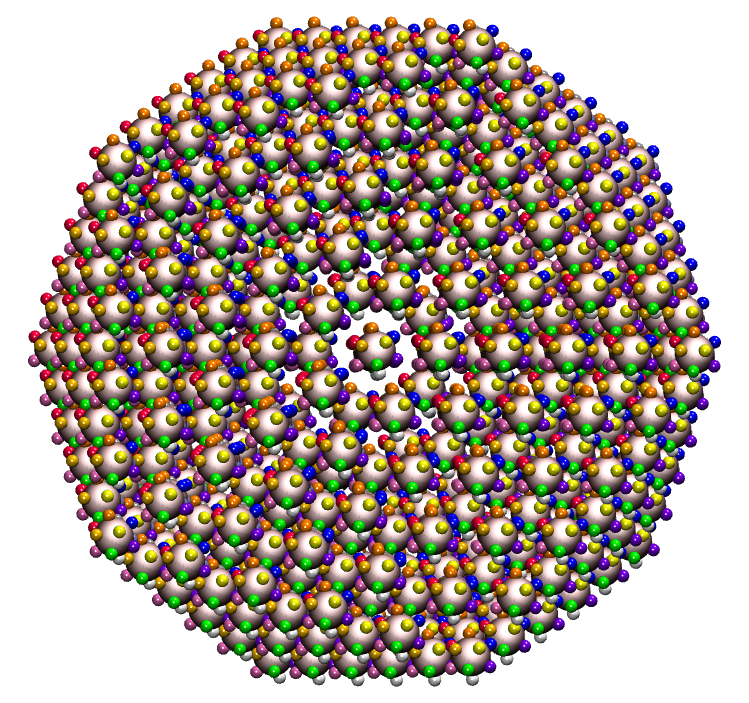
Designing Hierarchical Molecular Complexity: Icosahedra of Addressable Icosahedra |
|
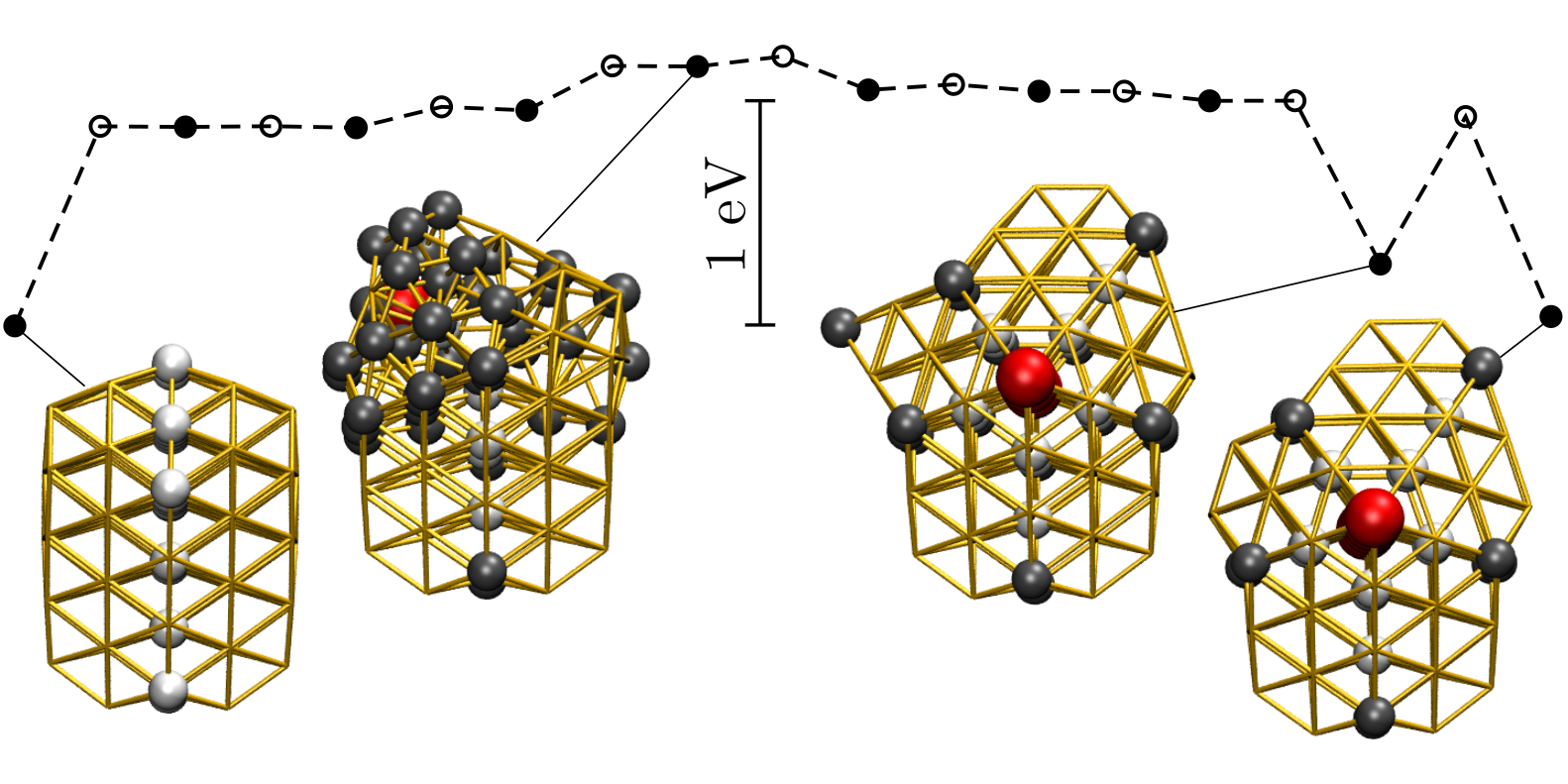
Structure, Thermodynamics, and Rearrangement Mechanisms in Gold Clusters - Insights From the Energy Landscapes Framework |
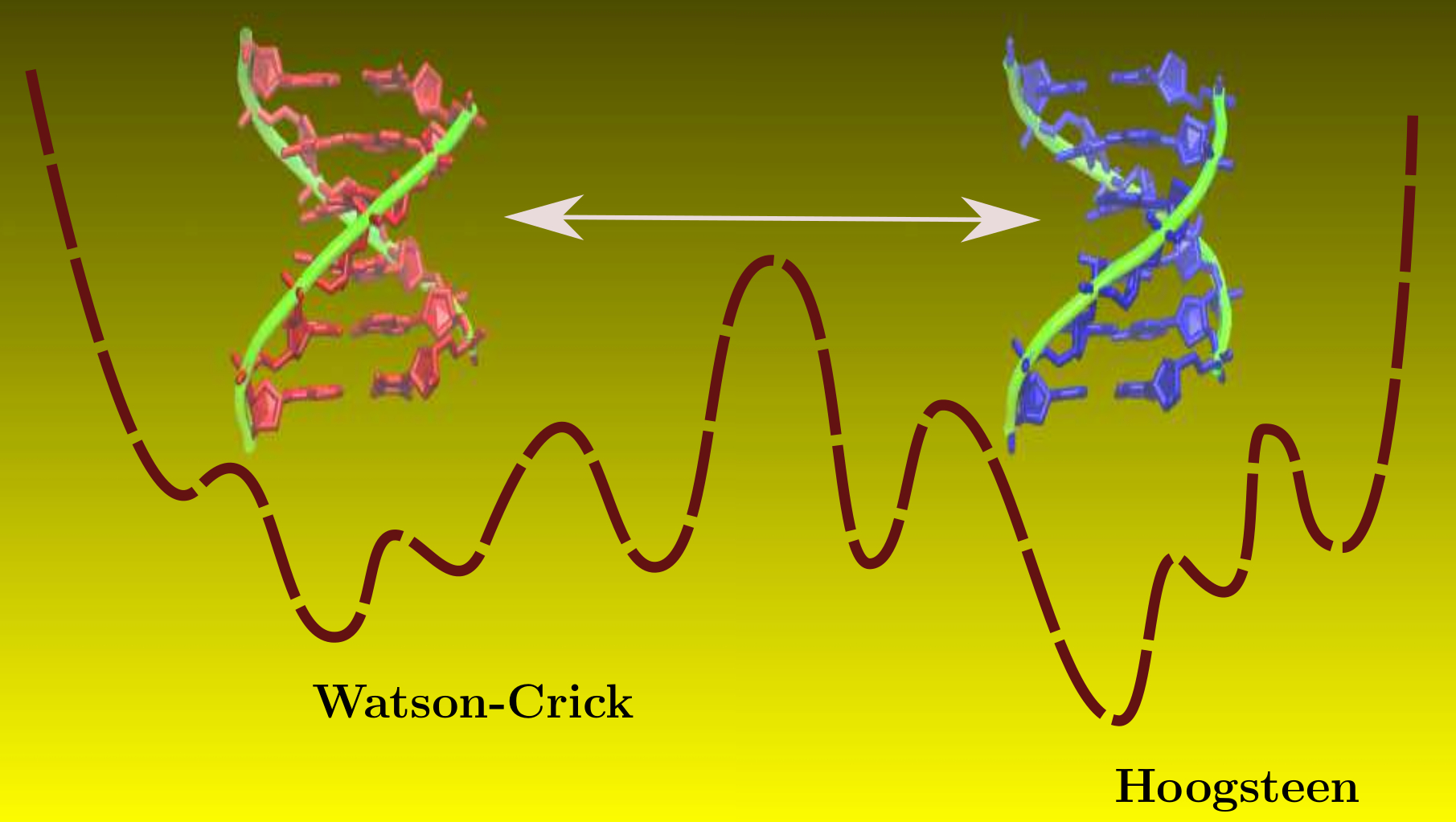
Perspective: Energy Landscape and Pathways for Transitions Between Watson-Crick and Hoogsteen Base Pairing in DNA |

Structure and Thermodynamics of Metal Clusters on Atomically Smooth Substrates |
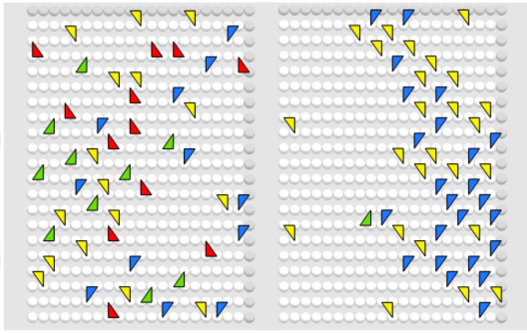
Kinetics of Molecular Diffusion and Self-Assembly: Glycine on Cu{110} |
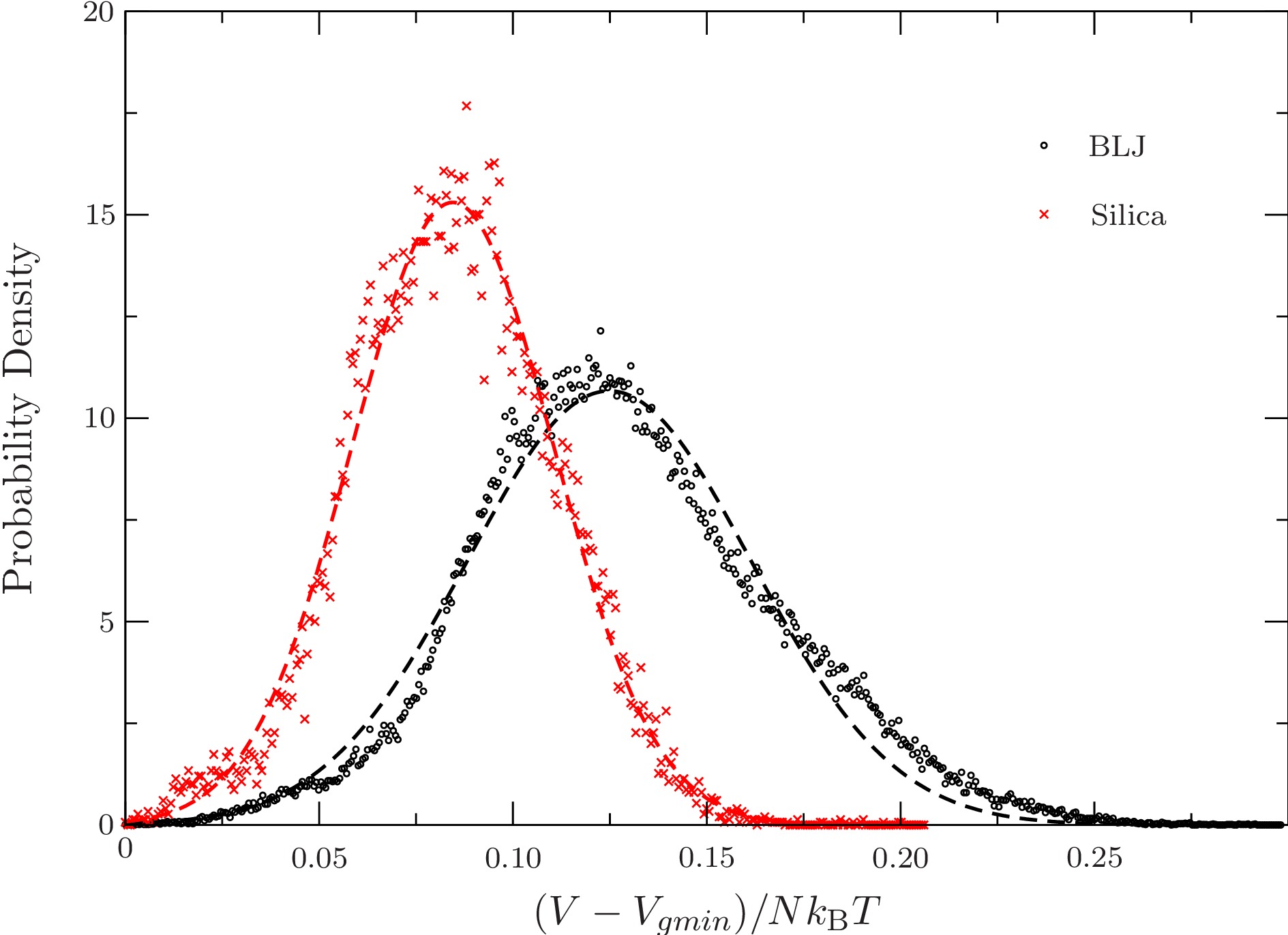
Pathways for Diffusion in the Potential Energy Landscape of the Network Glass Former SiO2 |

Exploiting Sparsity in Free Energy Basin-Hopping |
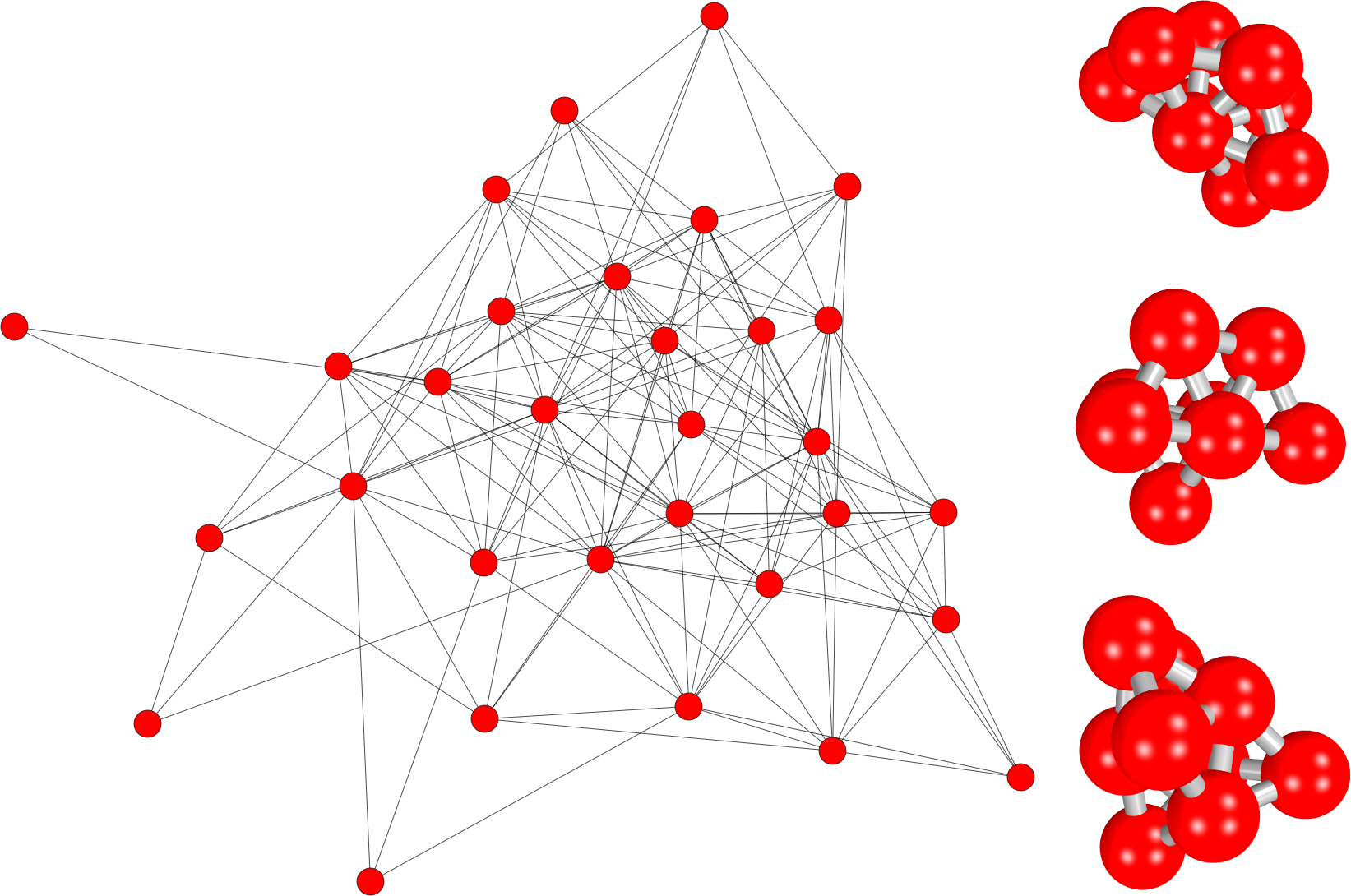
Properties of Kinetic Transition Networks for Atomic Clusters and Glassy Solids |
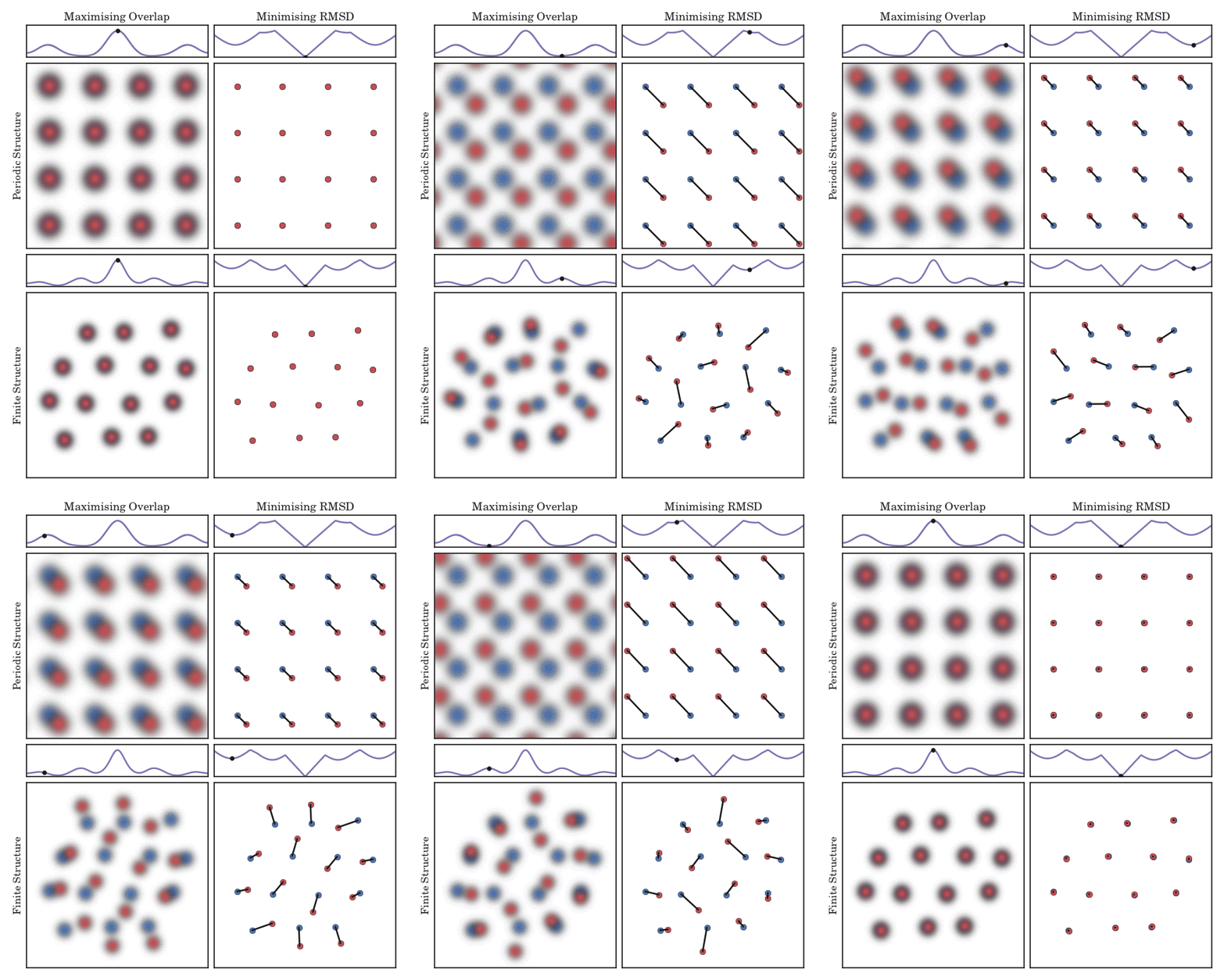
Optimal Alignment of Structures for Finite and Periodic Systems |
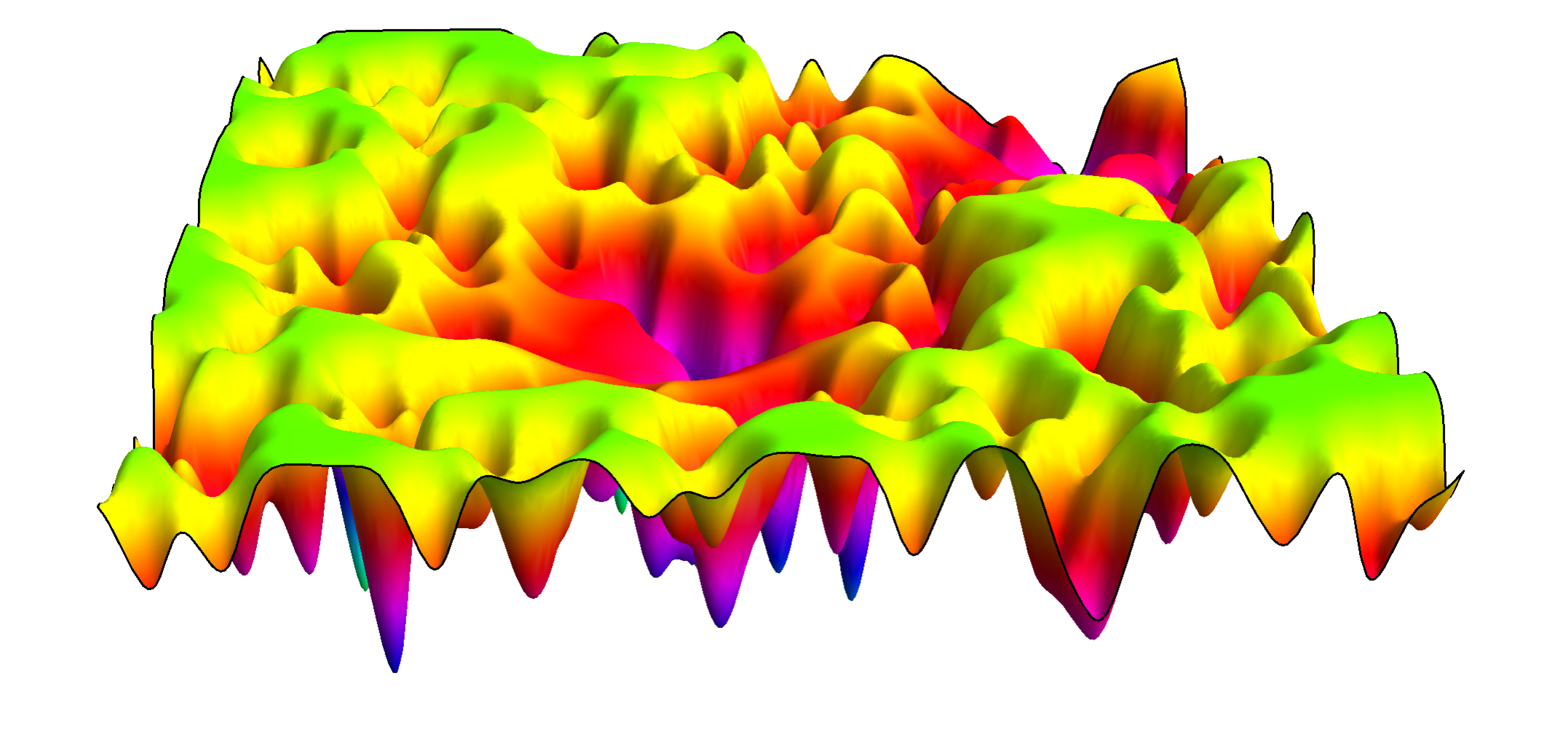
Exploring Energy Landscapes |
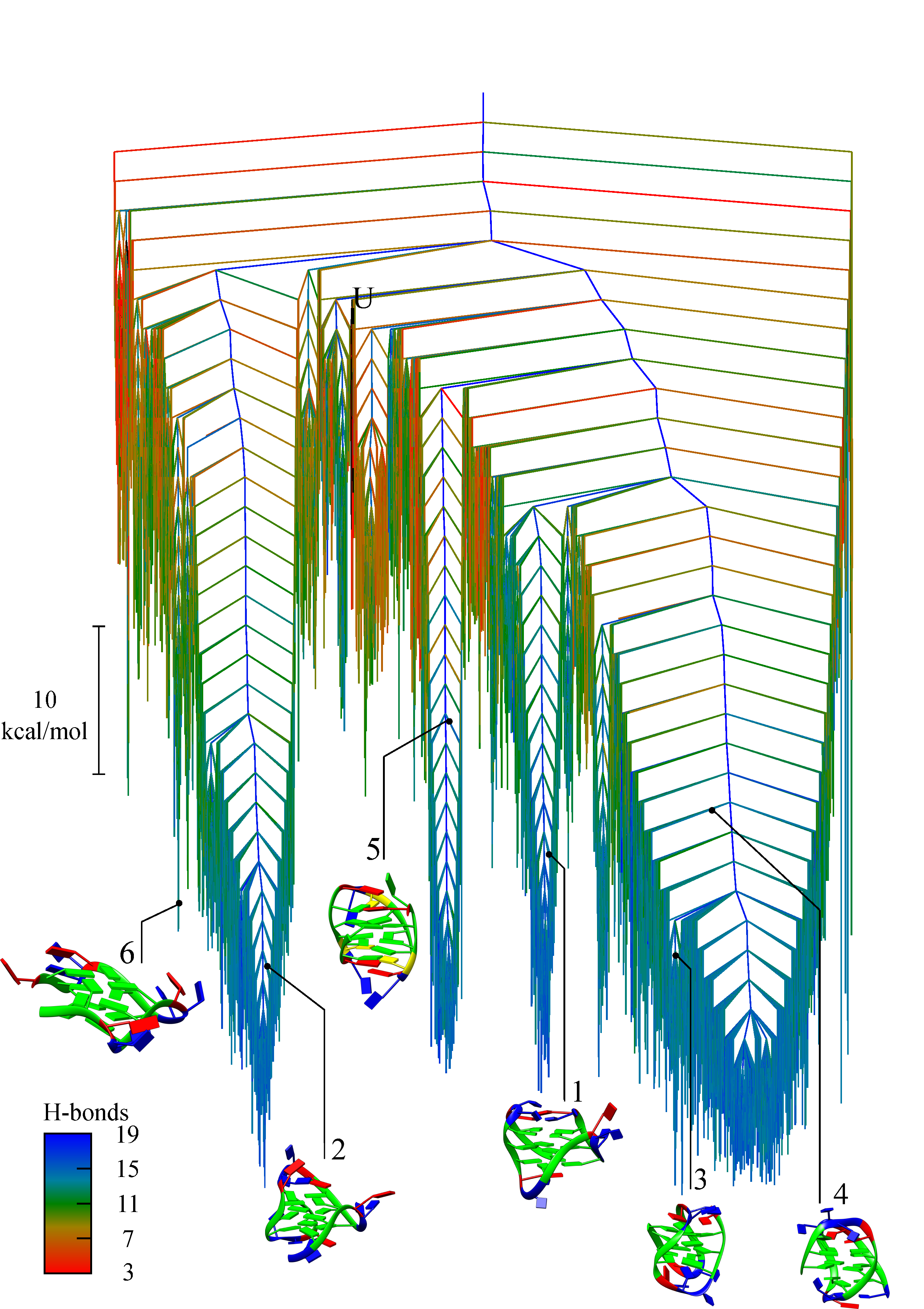
Multifunctional Energy Landscape for a DNA G-Quadruplex: An Evolved Molecular Switch |
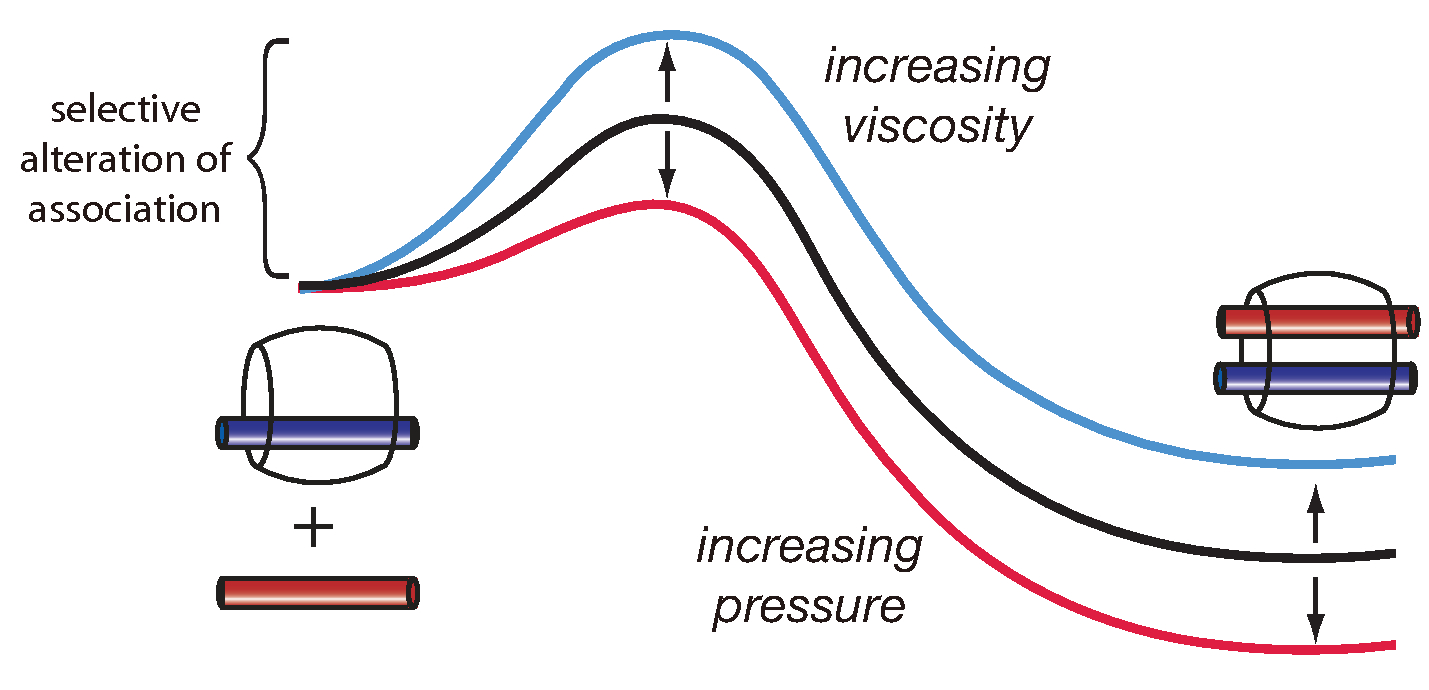
Decoupled Associative and Dissociative Processes in Strong yet Highly Dynamic Host-Guest Complexes |
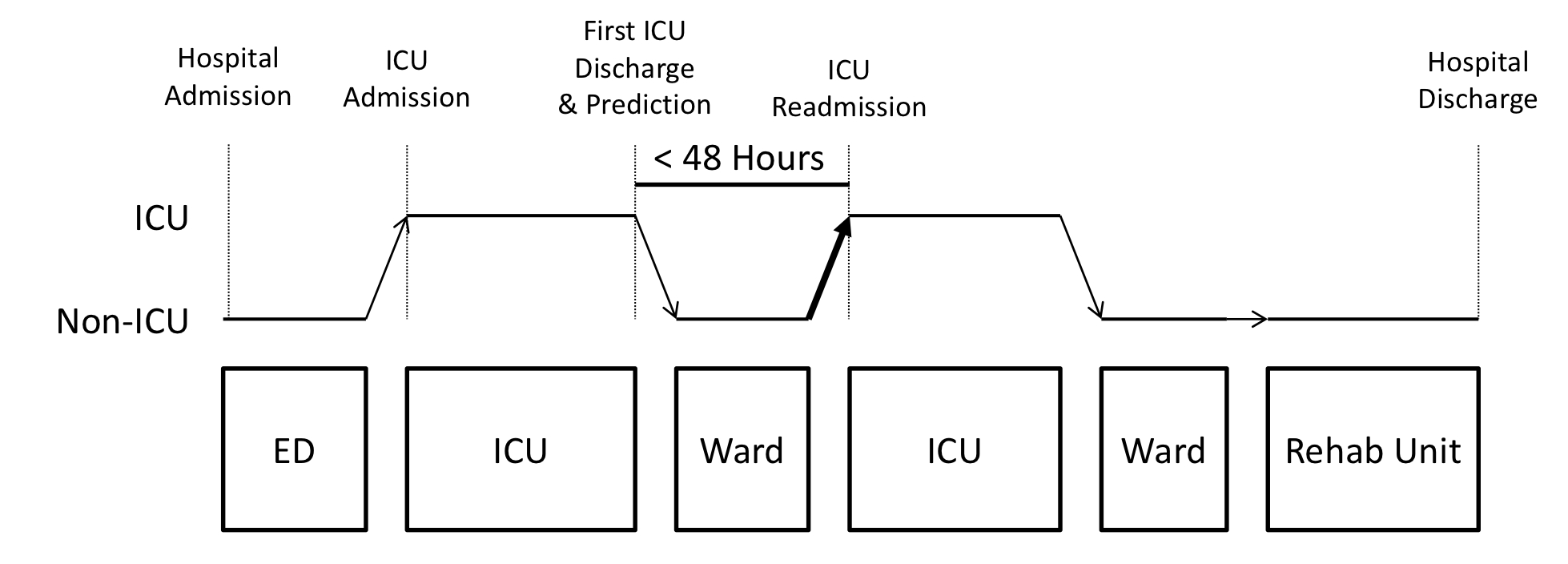
Predicting early unplanned intensive care unit readmission in a tertiary-care hospital: a cross-sectional machine learning approach |
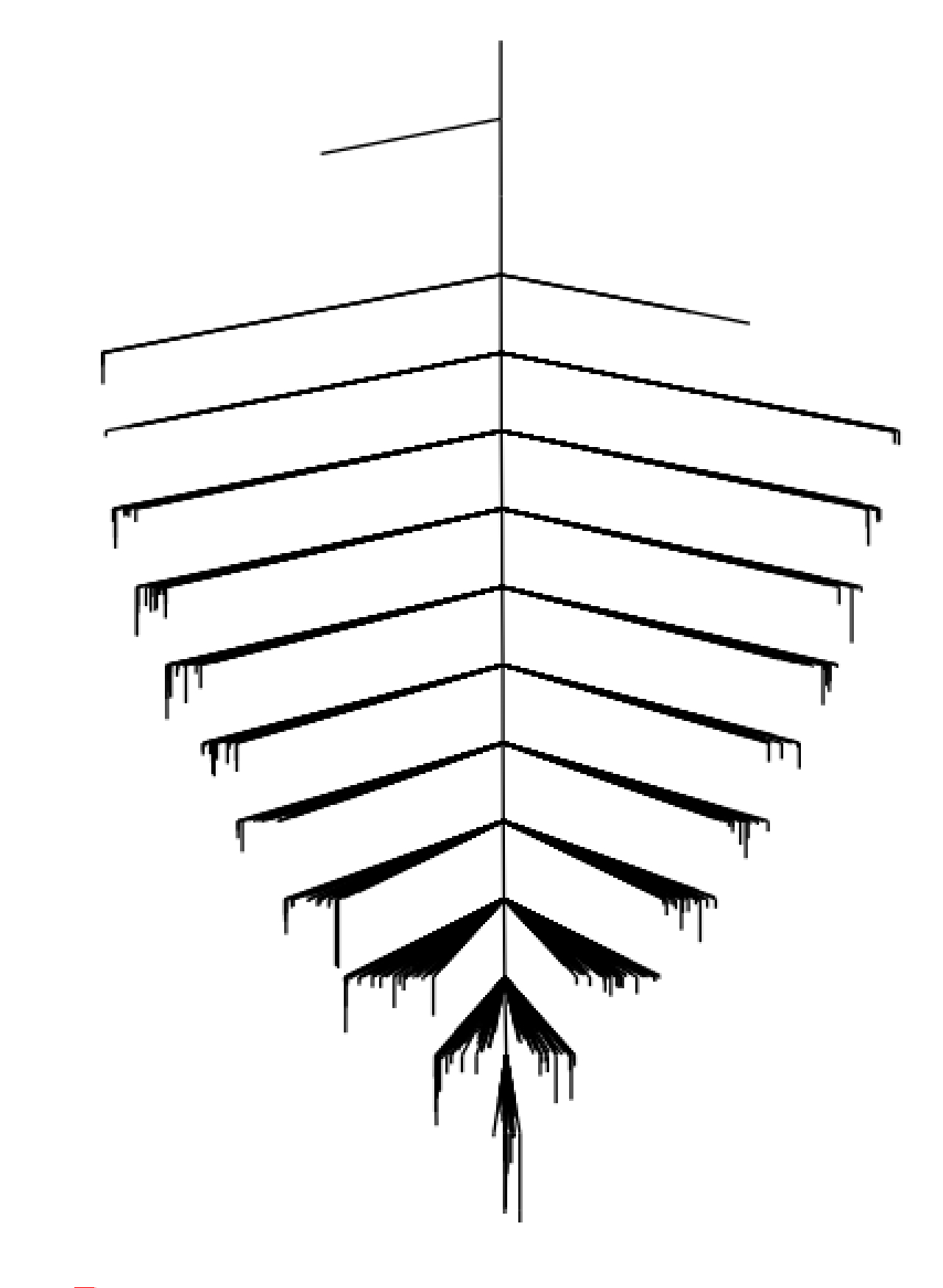
Machine Learning Landscapes and Predictions for Patient Outcomes |
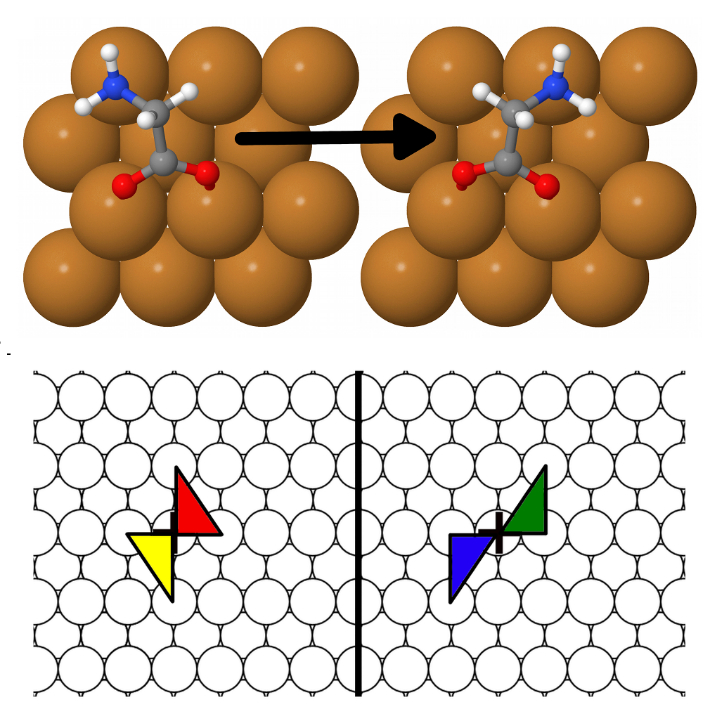
Energy Landscapes and Dynamics of Glycine on Cu(110) |
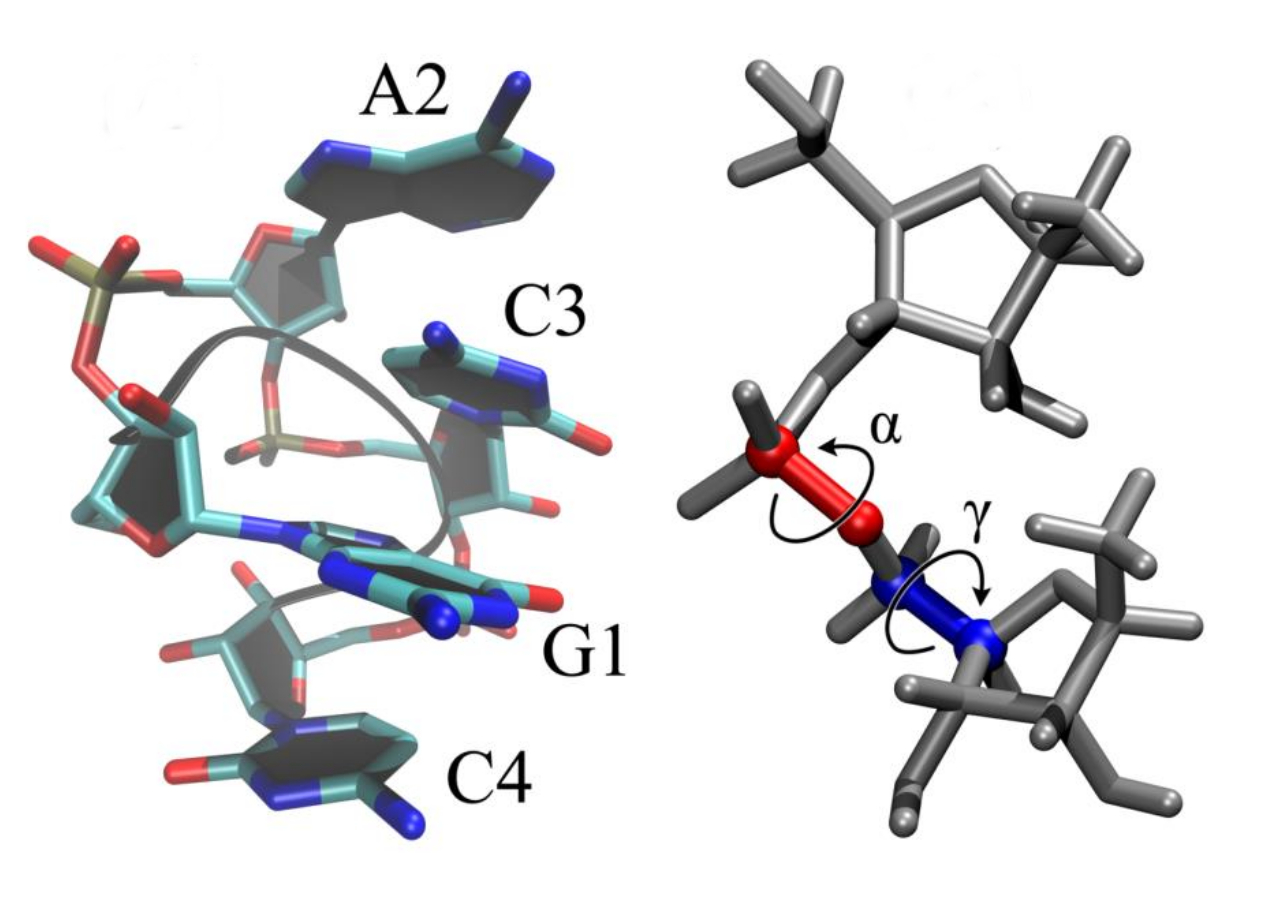
Improving Computational Predictions of Single-stranded RNA Tetramers with Revised alpha/gamma Torsional Parameters for the Amber Force Field |
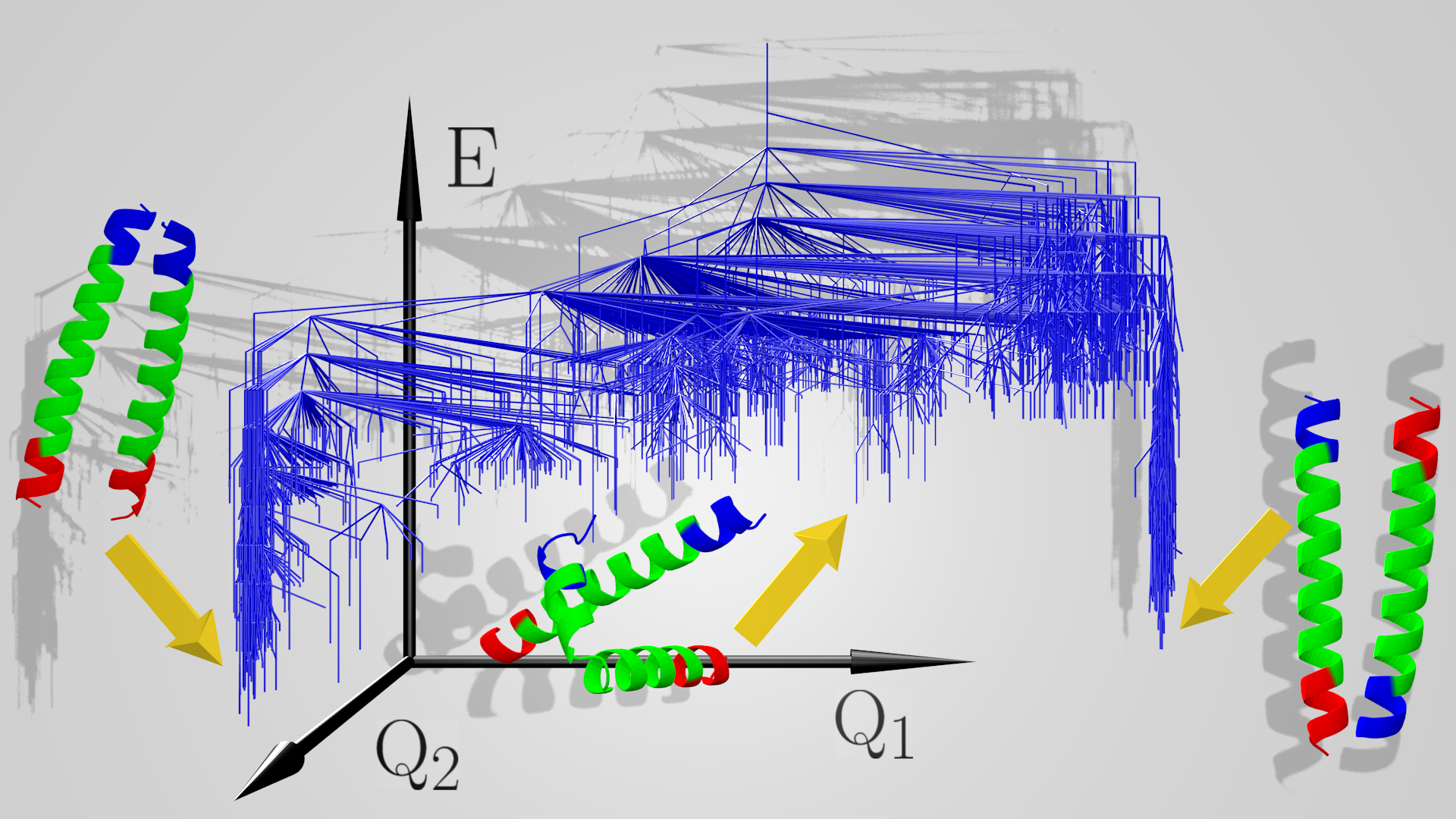
Feature Article: Exploring Biomolecular Energy Landscapes |
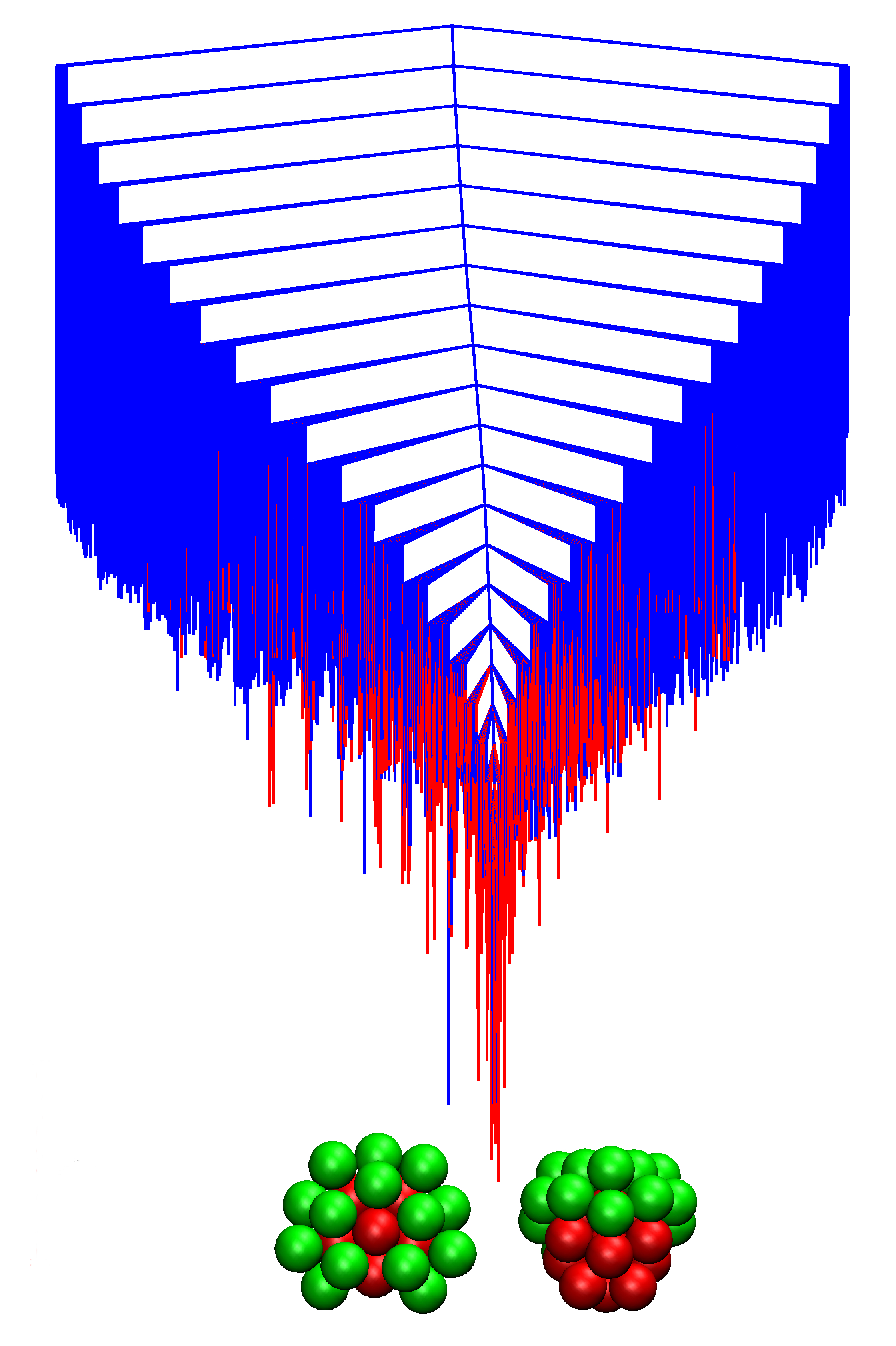
Decoding Heat Capacity Features From the Energy Landscape |
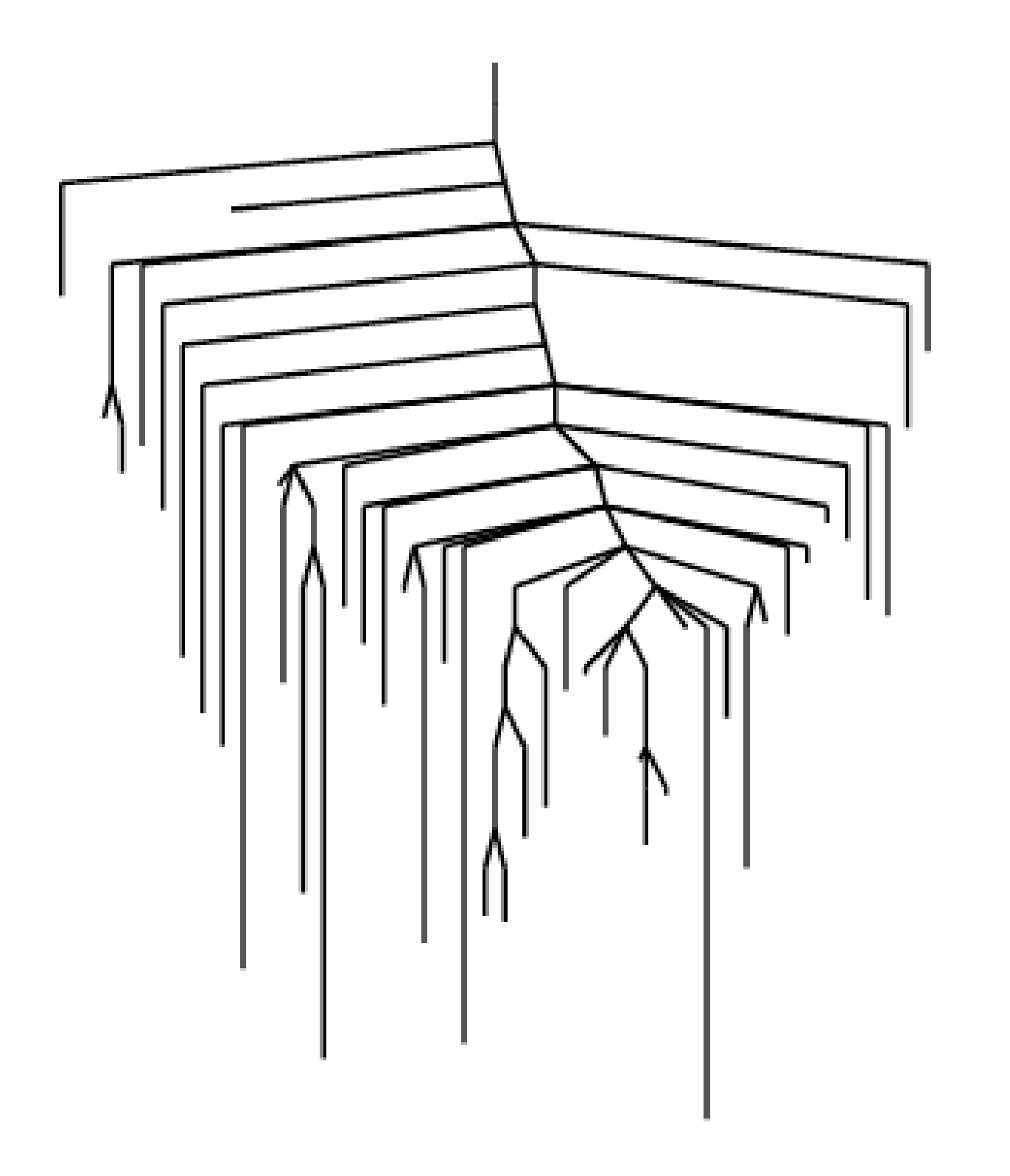
Perspective: Energy Landscapes for Machine Learning |
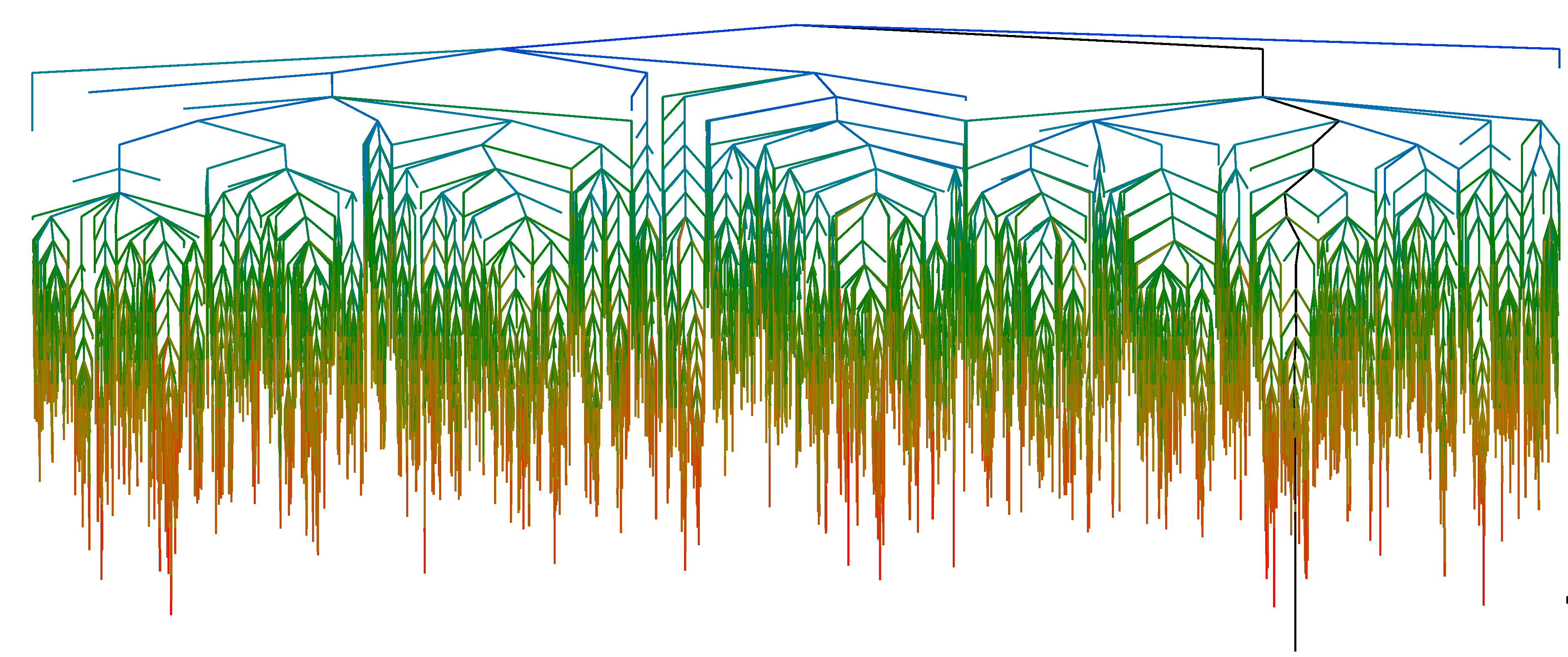
Defining and Quantifying Frustration in the Energy Landscape: Applications to Atomic and Molecular Clusters, Biomolecules, Jammed and Glassy Systems |

What Makes Telomeres Unique? |
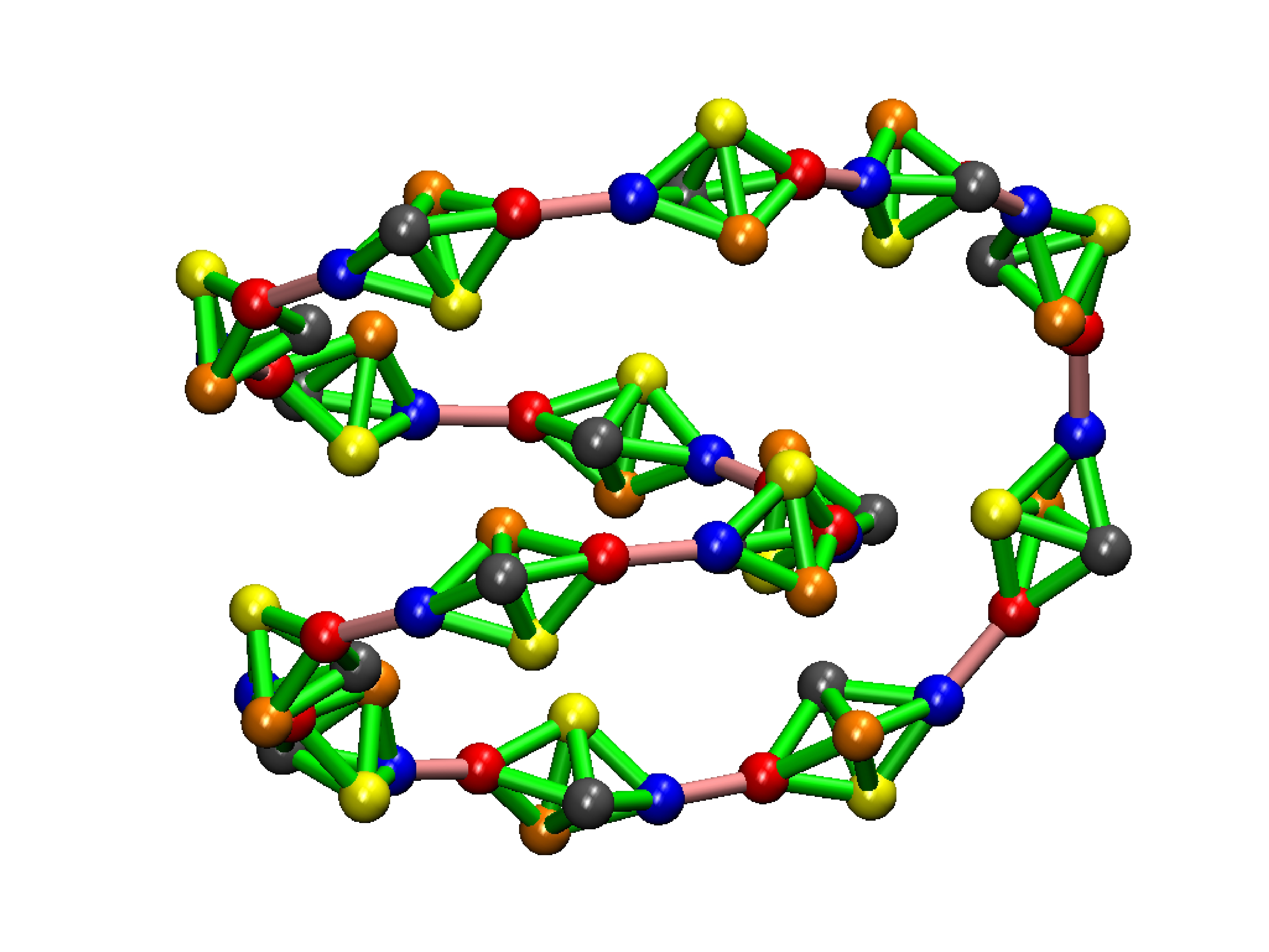
Atomic Clusters with Addressable Complexity |
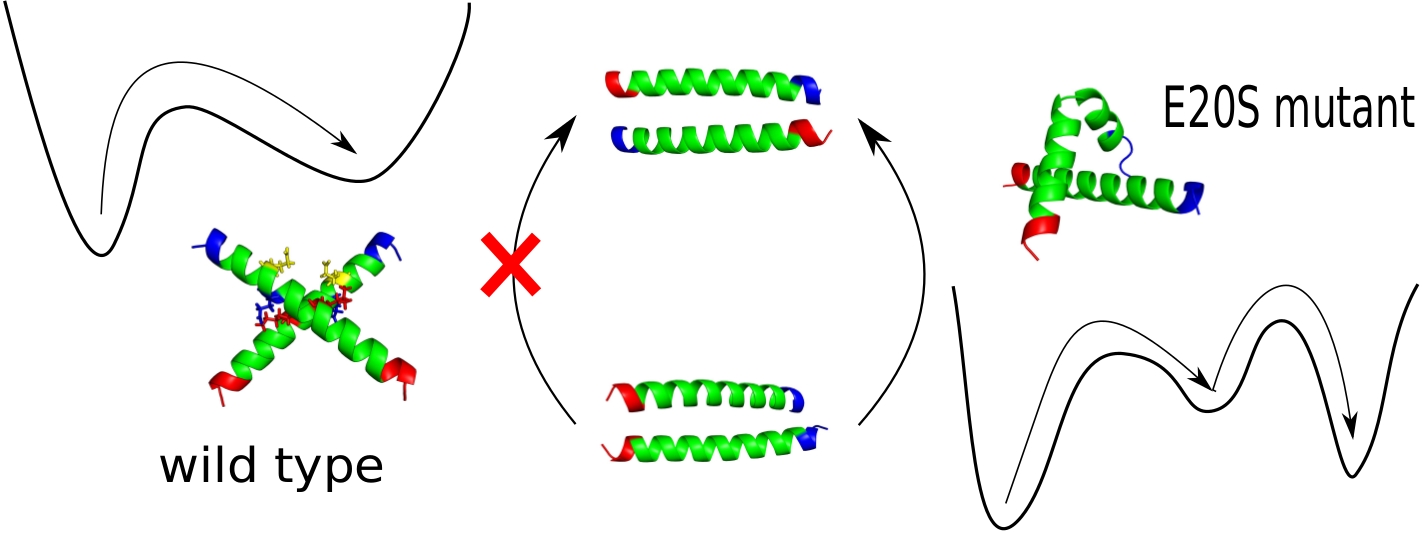
Transforming the Energy Landscape of a Coiled-coil Peptide via Point Mutations |
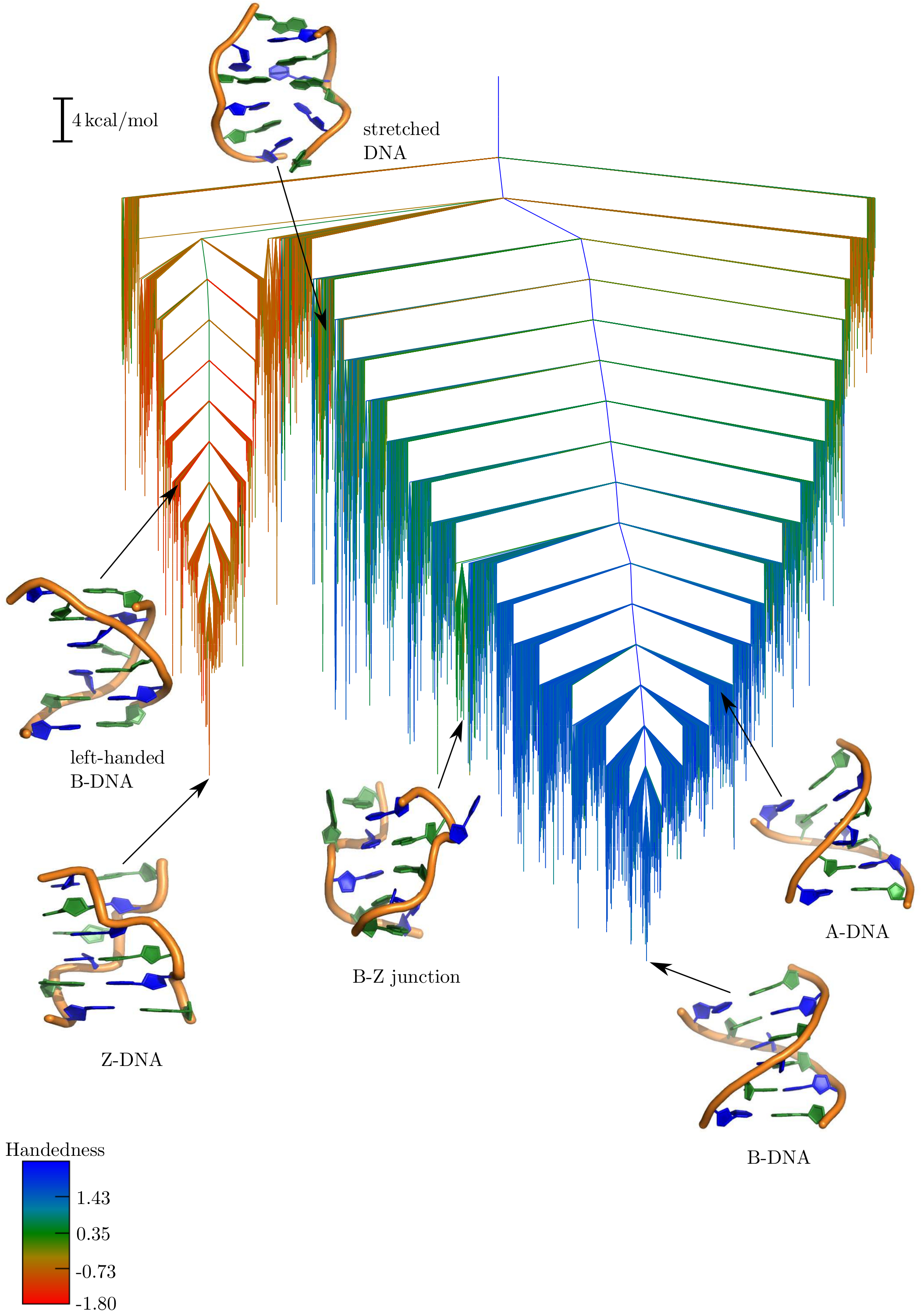
Probing Helical Transitions in a DNA Duplex
|
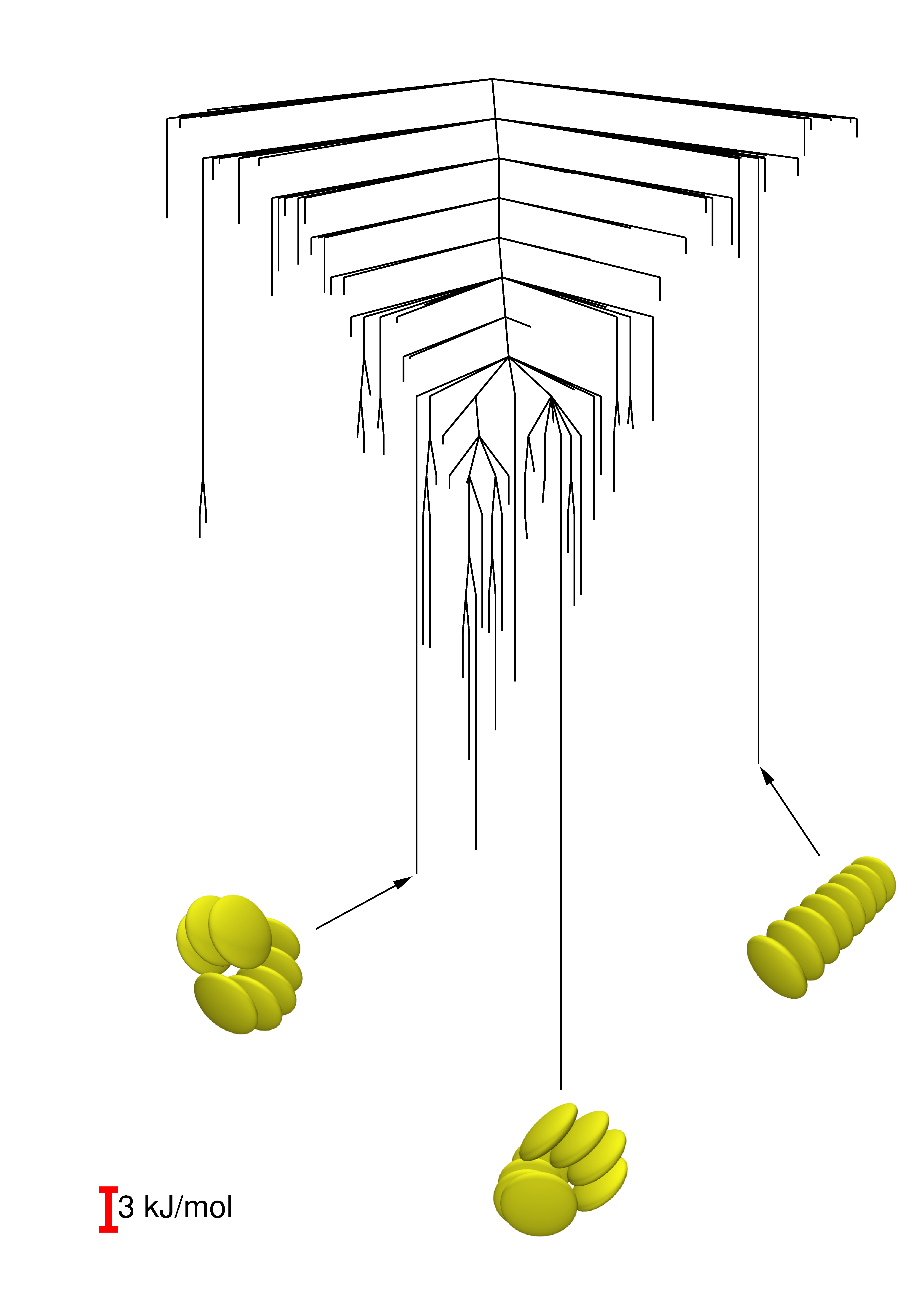
Dynamics and thermodynamics of the coronene octamer described by coarse-grained potentials |
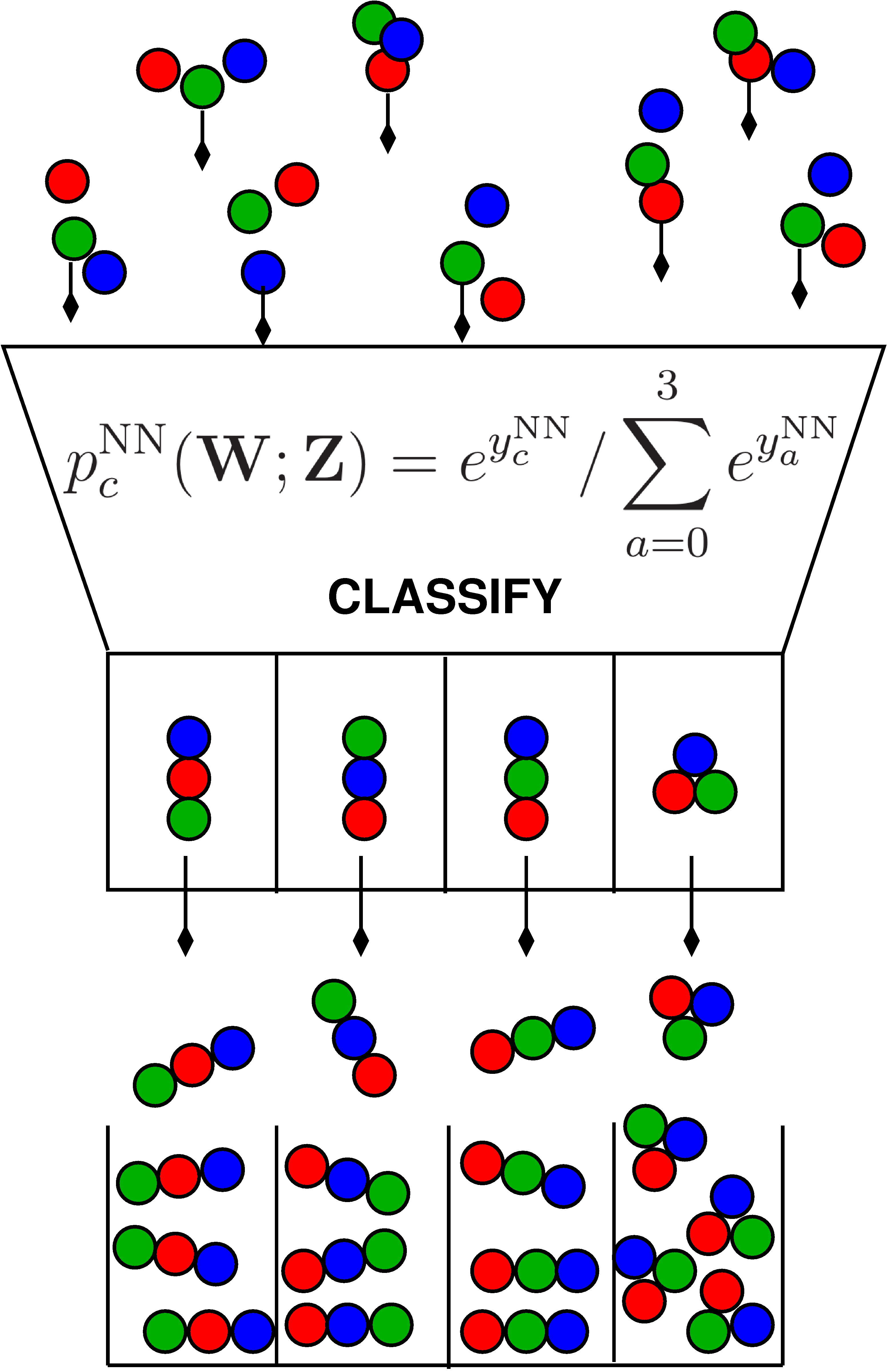
Machine Learning Prediction for Classification of Outcomes in Local Minimisation |
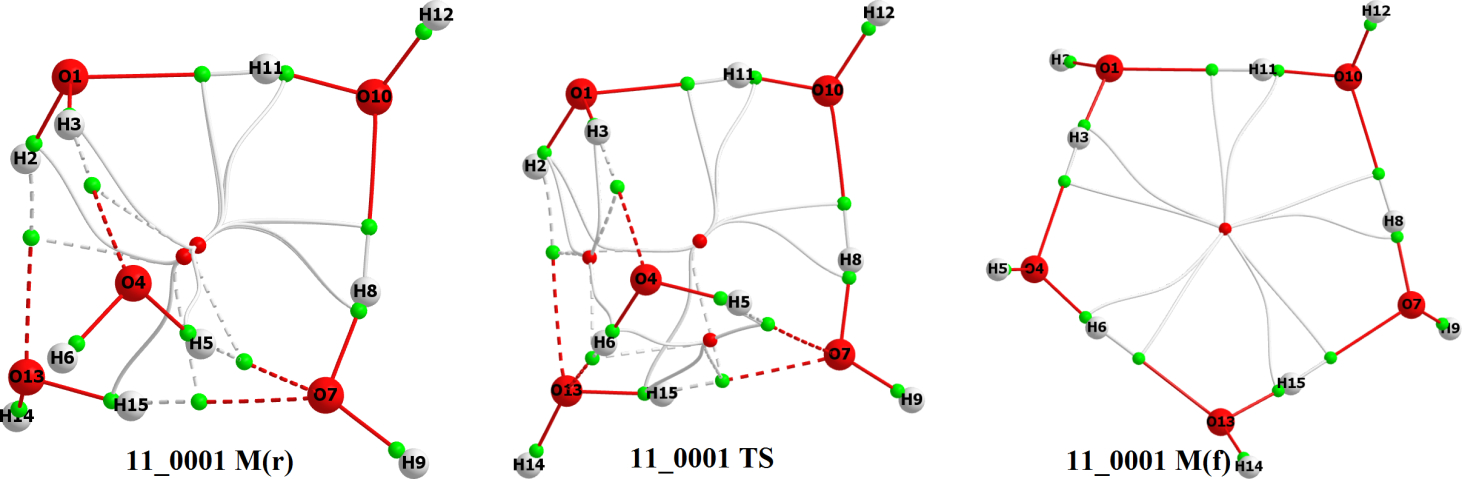
A Stress Tensor Eigenvector Projection Space for the (H2O)5 Potential Energy Surface |
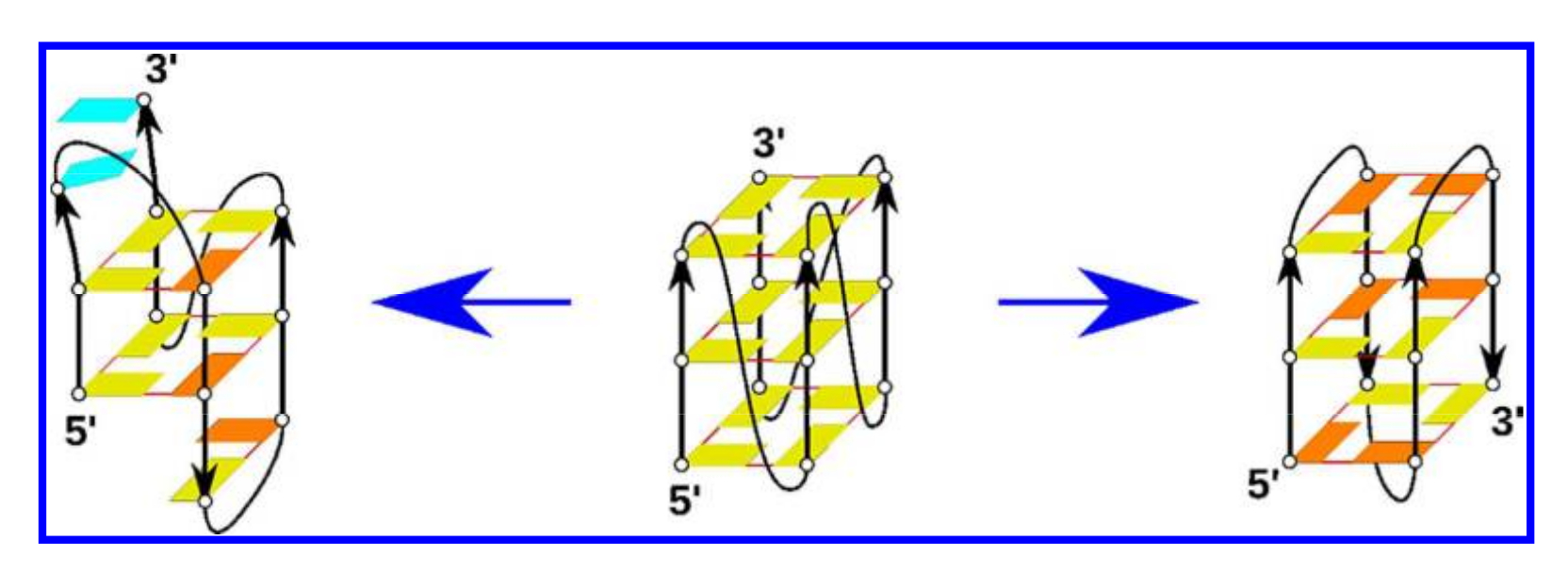
Coarse-Grained Simulations Complemented by Atomistic Molecular Dynamics Provide New Insights into Folding and Unfolding of Human Telomeric G-Quadruplexes |
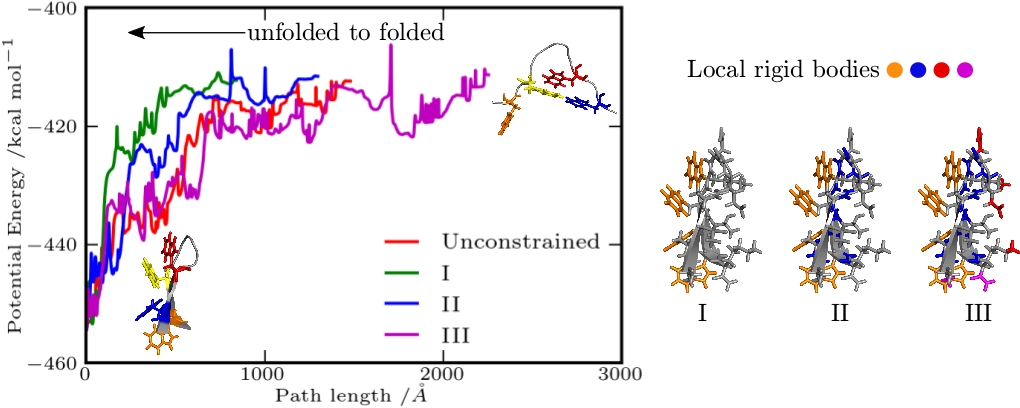
Structure, Thermodynamics and Folding Pathways for a Tryptophan Zipper as a Function of Local Rigidification |
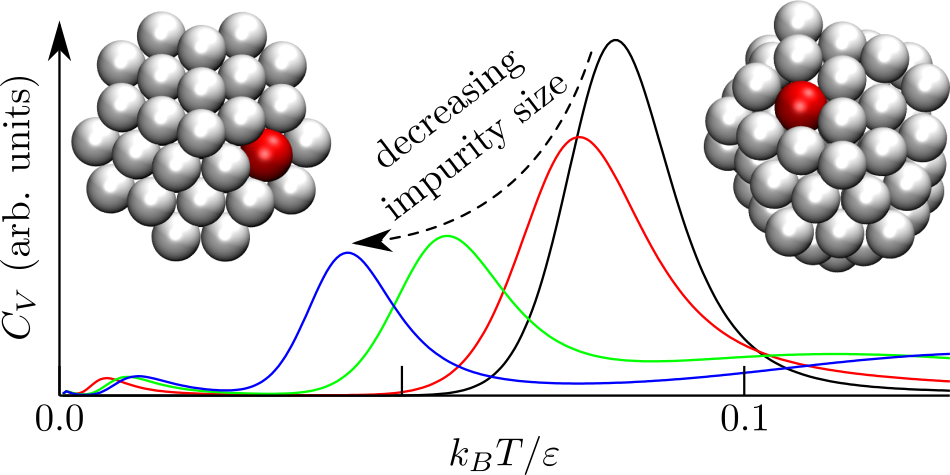
Impurity Effects on Solid-Solid Transitions in Atomic Clusters |
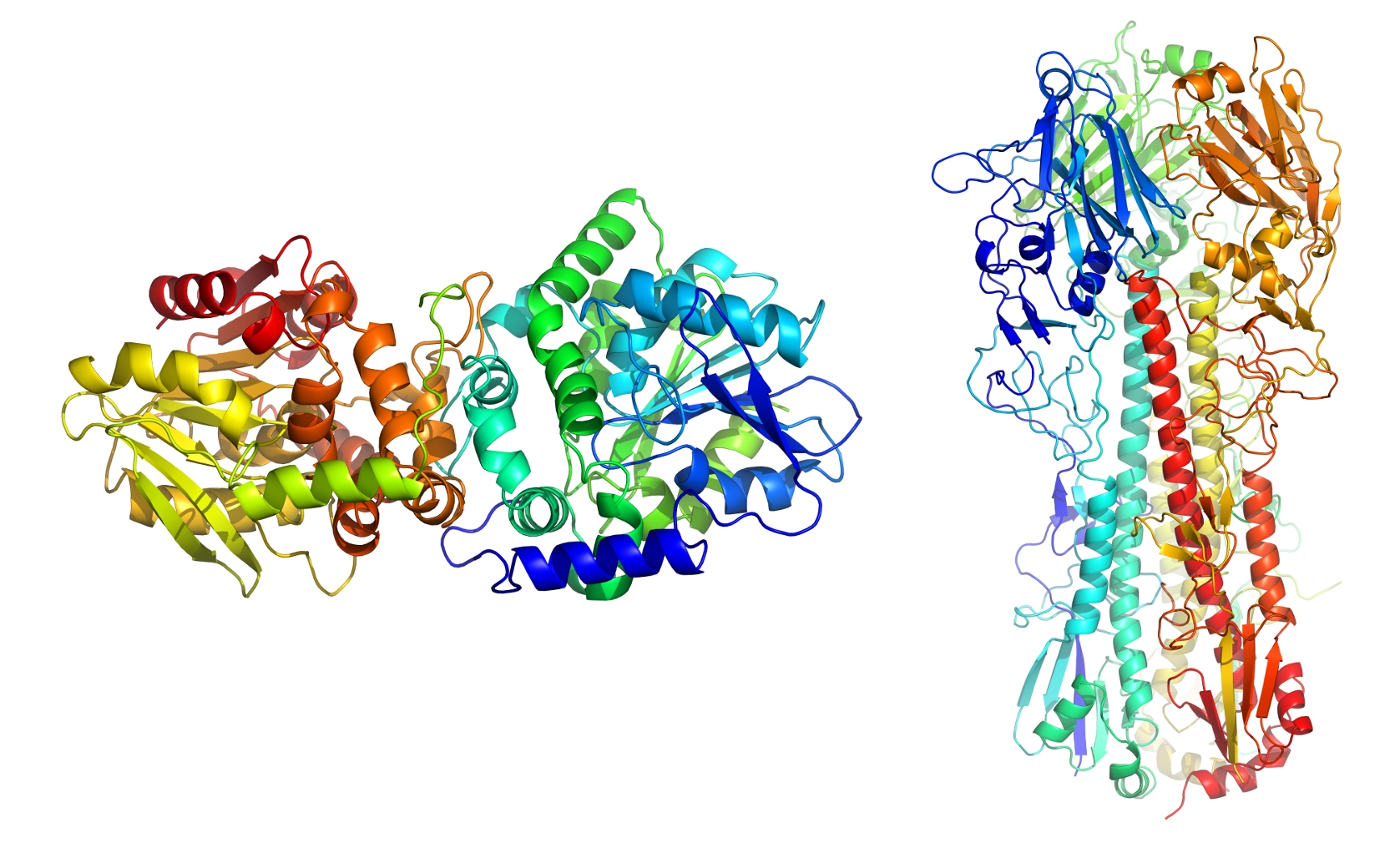
GPU-Accelerated Exploration of Biomolecular Energy Landscapes |
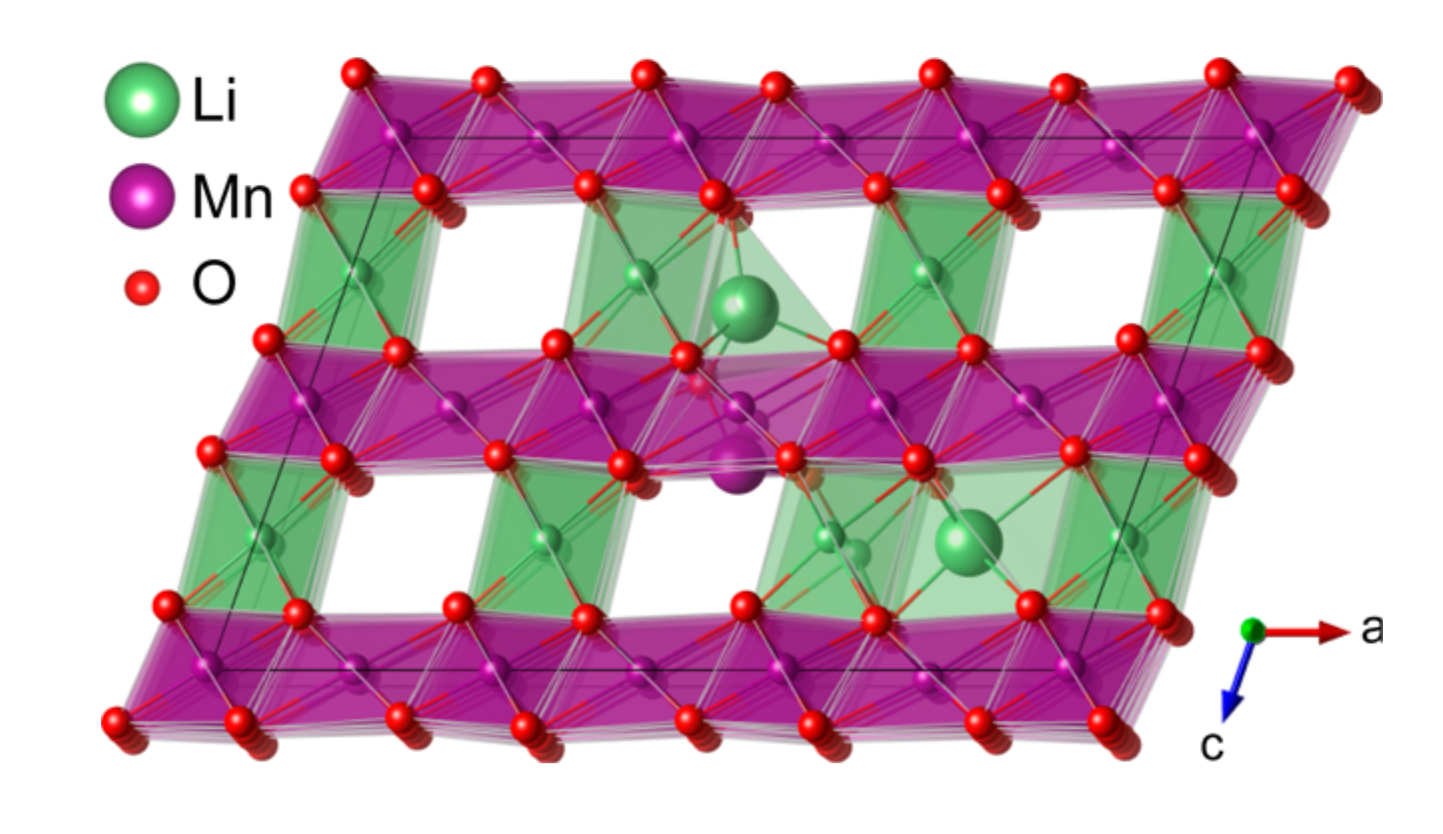
Preventing Structural Rearrangements on Battery Cycling: A First-Principles Investigation of the Effect of Dopants on the Migration Barriers in Layered Li0.5MnO2 |

Potential Energy Landscapes of Tetragonal Pyramid Molecules |
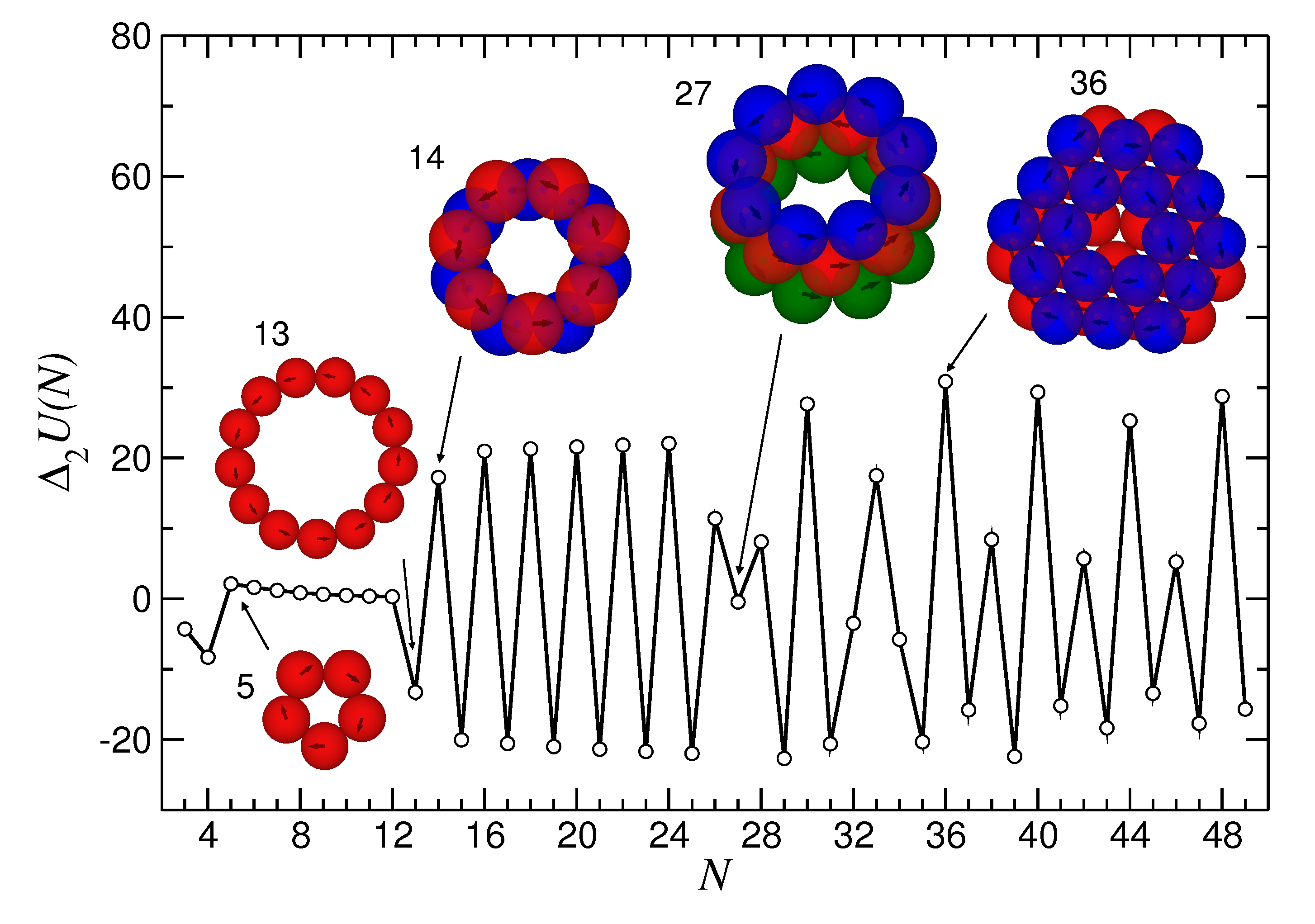
Self-Assembly of Colloidal Magnetic Particles: Energy Landscapes and Structural Transitions |
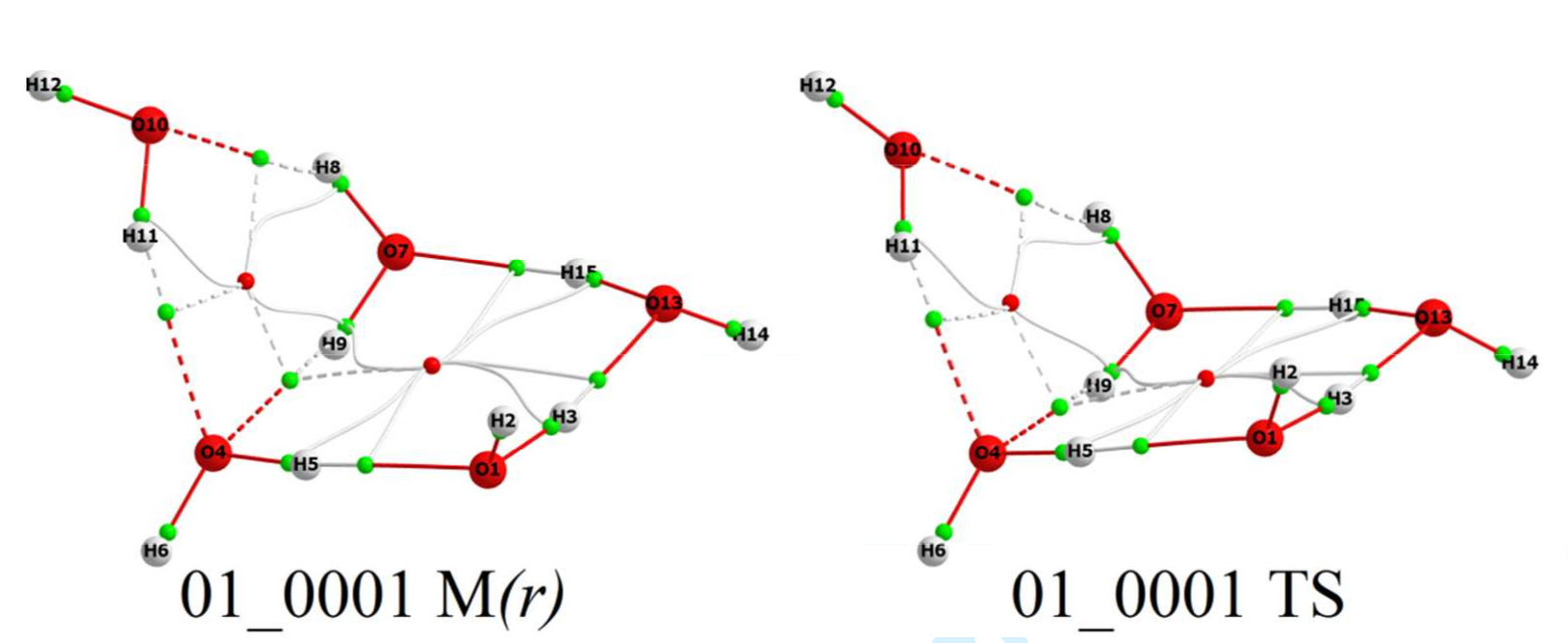
QTAIM and Stress Tensor Interpretation of the (H2O)5 Potential Energy Surface |
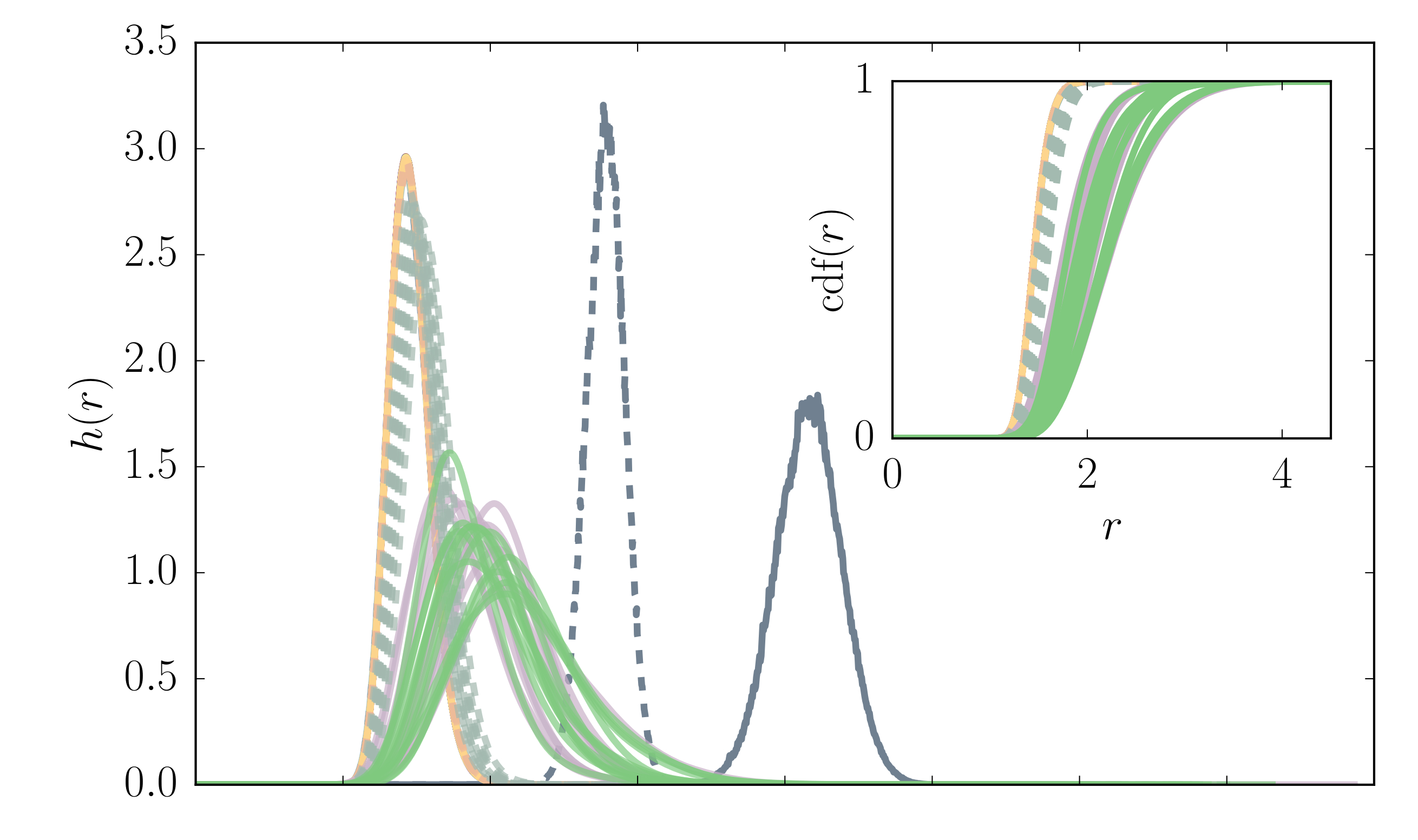
Structural Analysis of High-Dimensional Basins of Attraction |
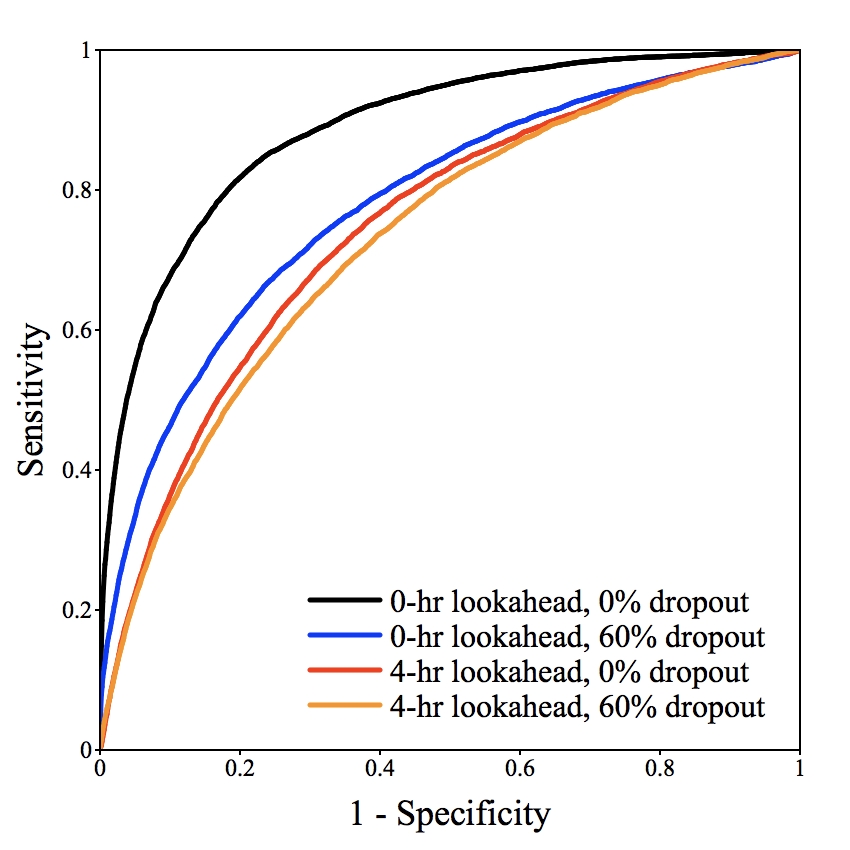
A Machine Learning Approach to Sepsis Prediction in the Intensive Care Unit With Minimal Electronic Health Record Data |
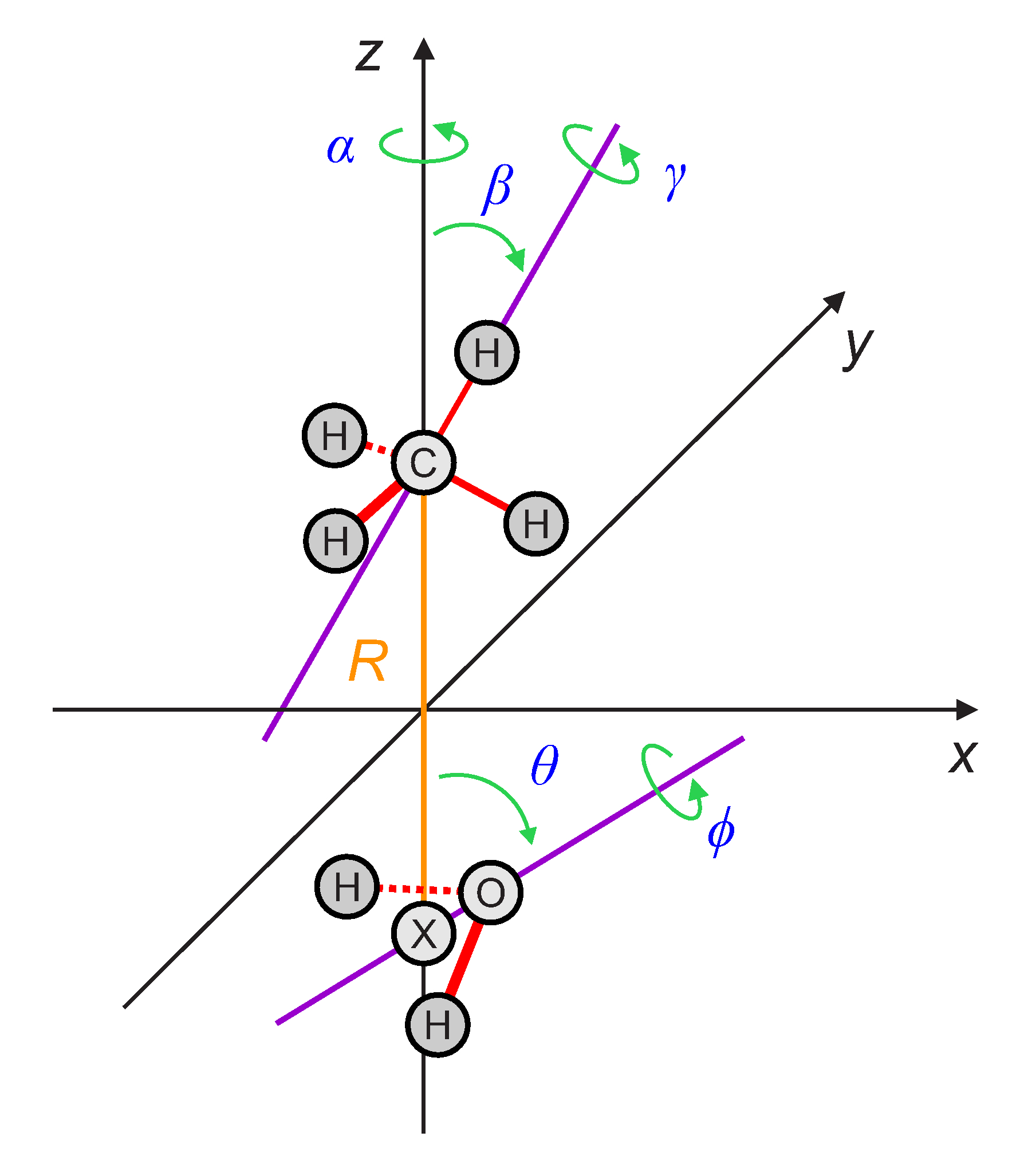
Rovibrational Transitions of the Methane-Water Dimer From Intermolecular Quantum Dynamical Computations |
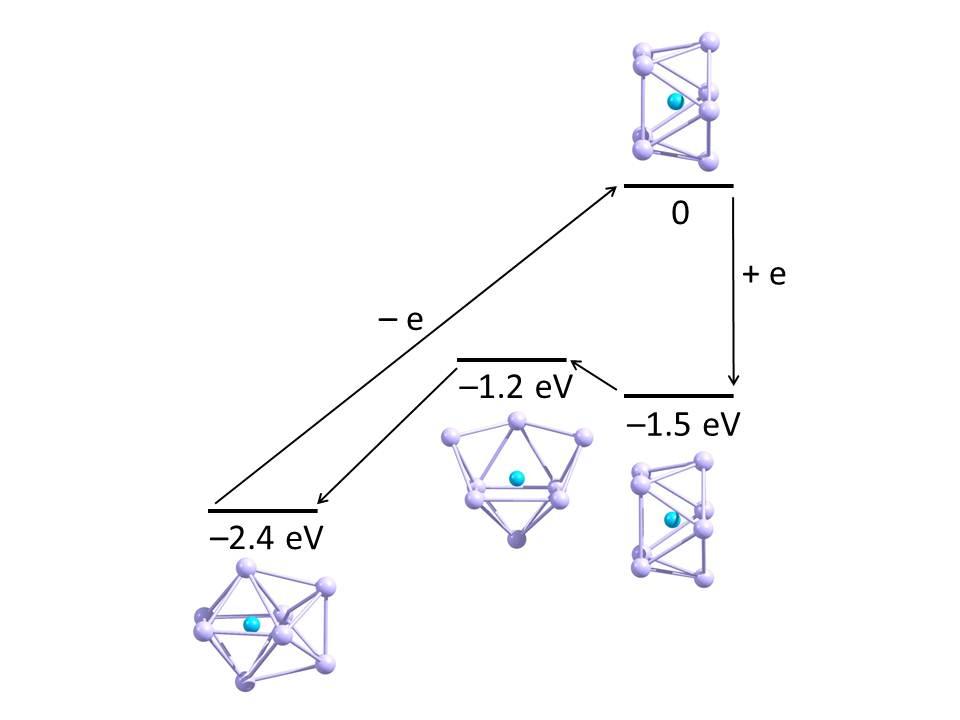
Trapping of Hydrogen Atoms Inside Small Beryllium Clusters and Their Ions |
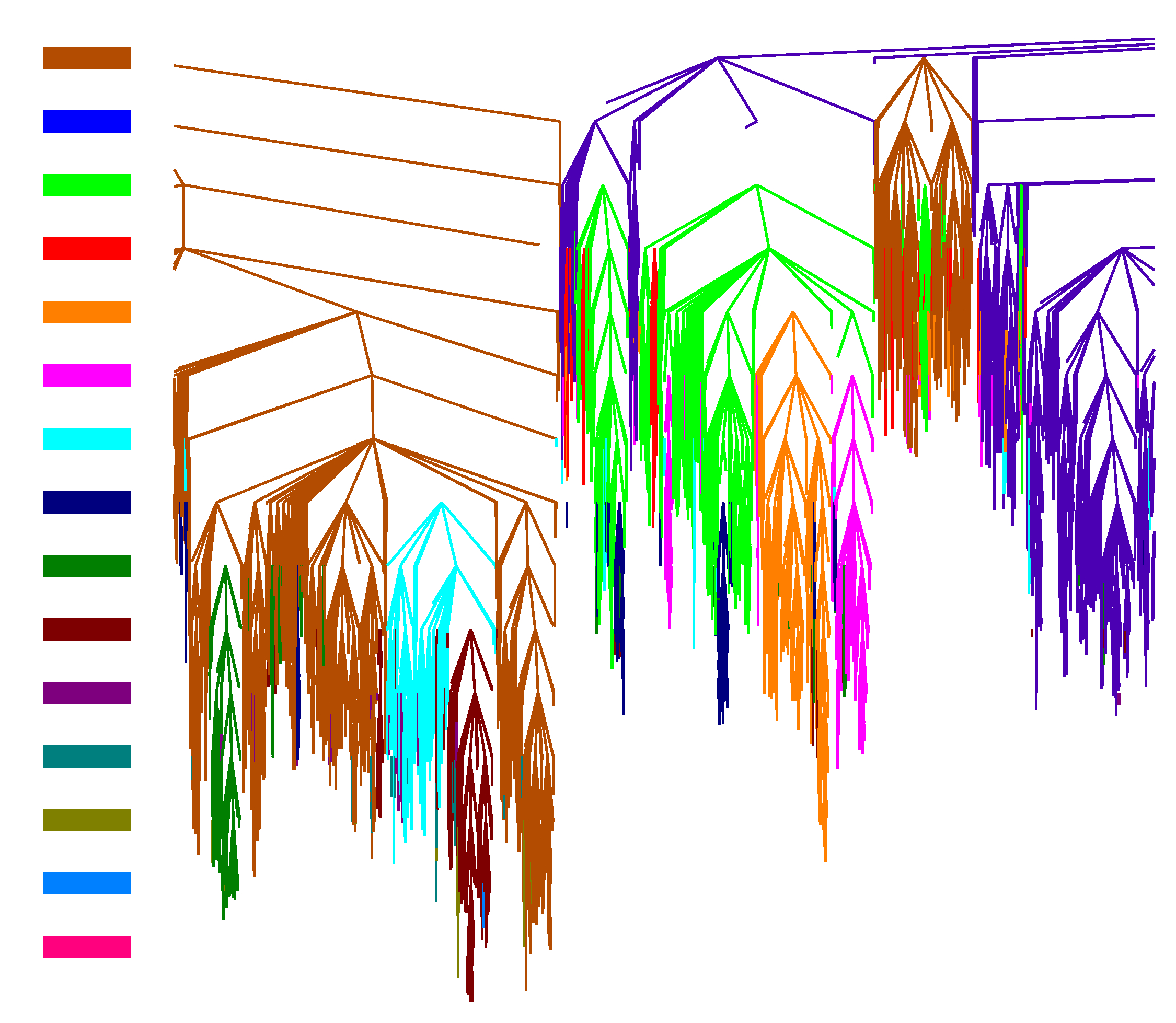
Dynamics of a Molecular Glass Former: Energy Landscapes for Diffusion in Ortho-Terphenyl |
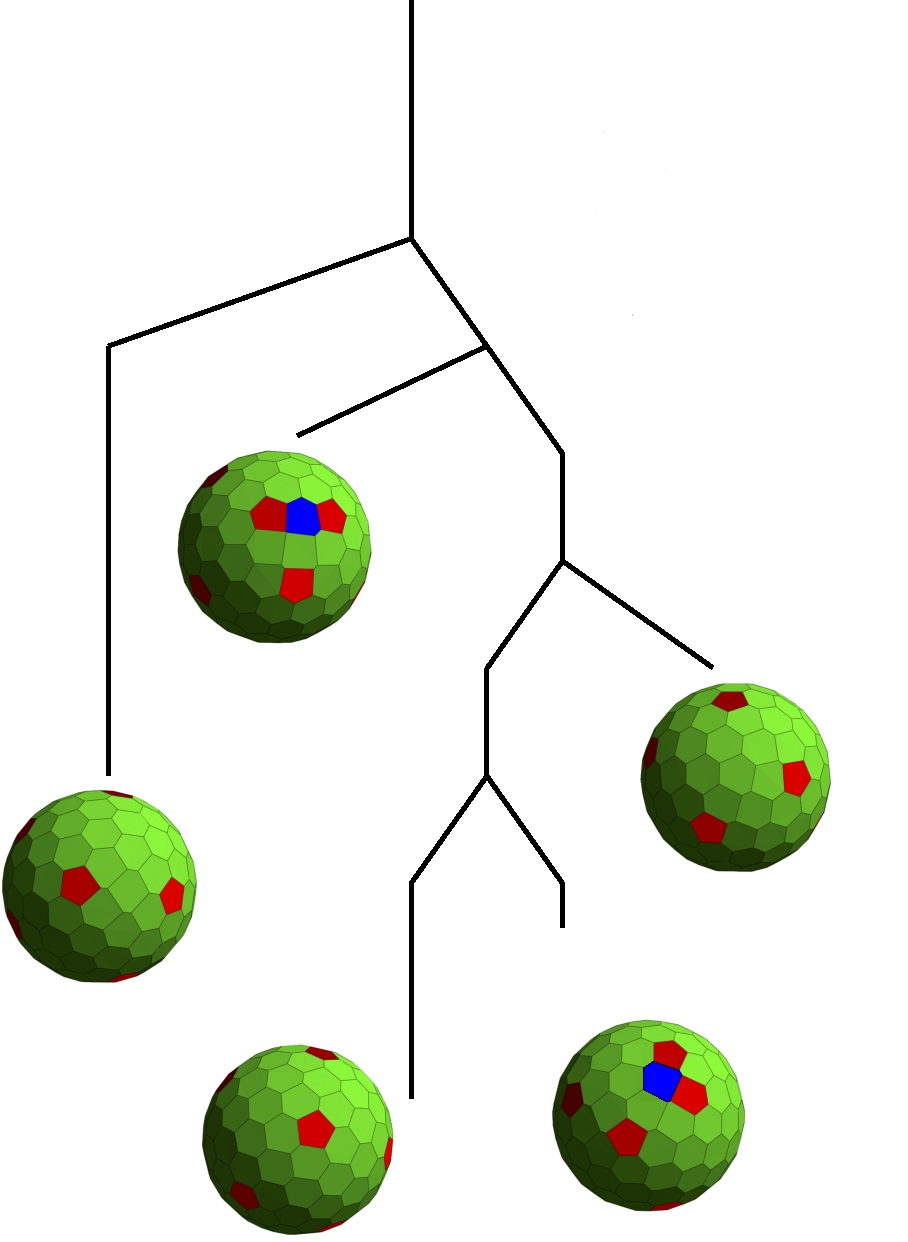
Kinetic Transition Networks for the Thomson Problem and Smale's 7th Problem University of Notre Dame Press Release Researchers chip away at Smale's 7th unsolved problem in mathematics |
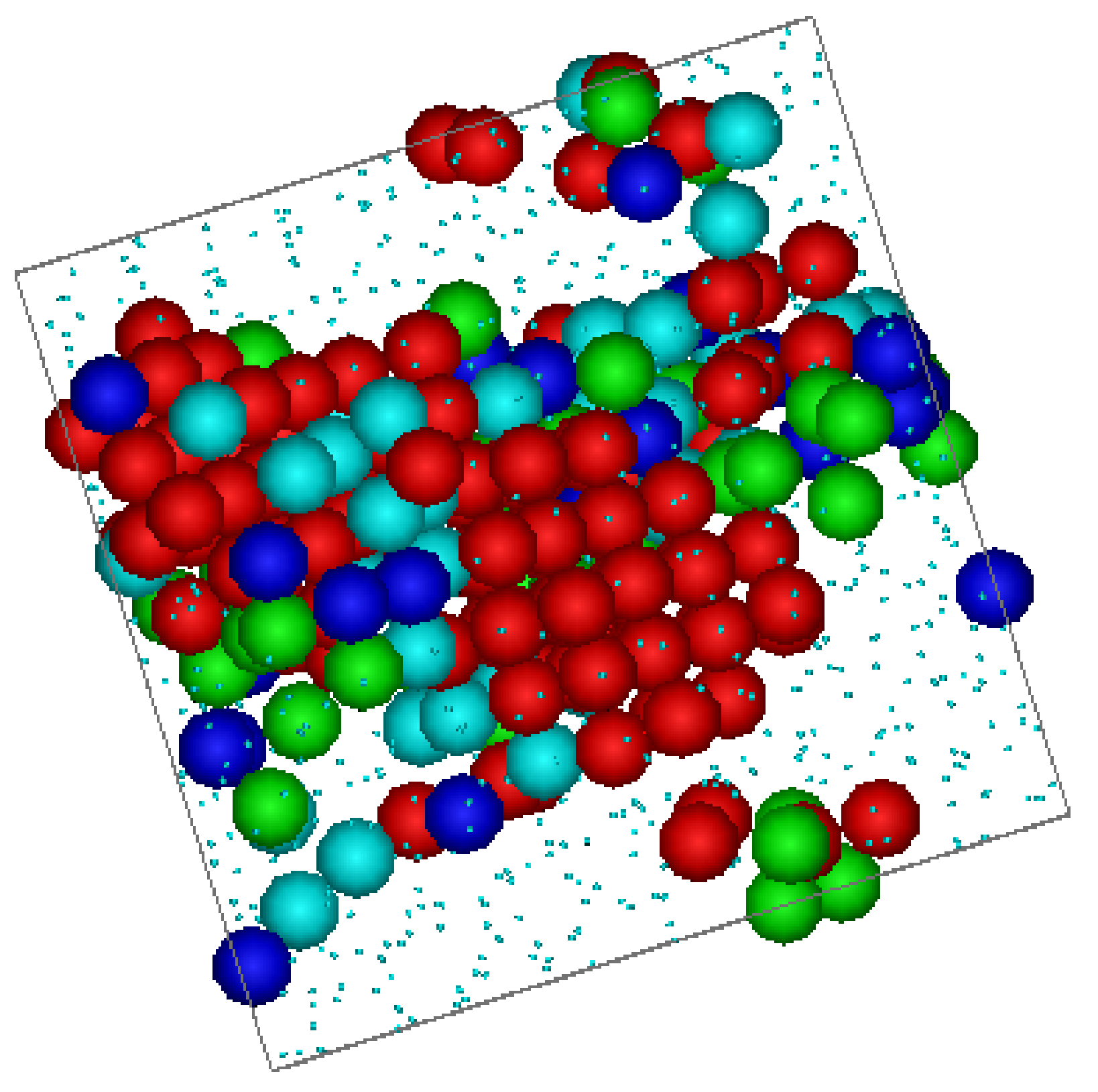
The Potential Energy Landscape for Crystallisation of a Lennard-Jones Fluid |
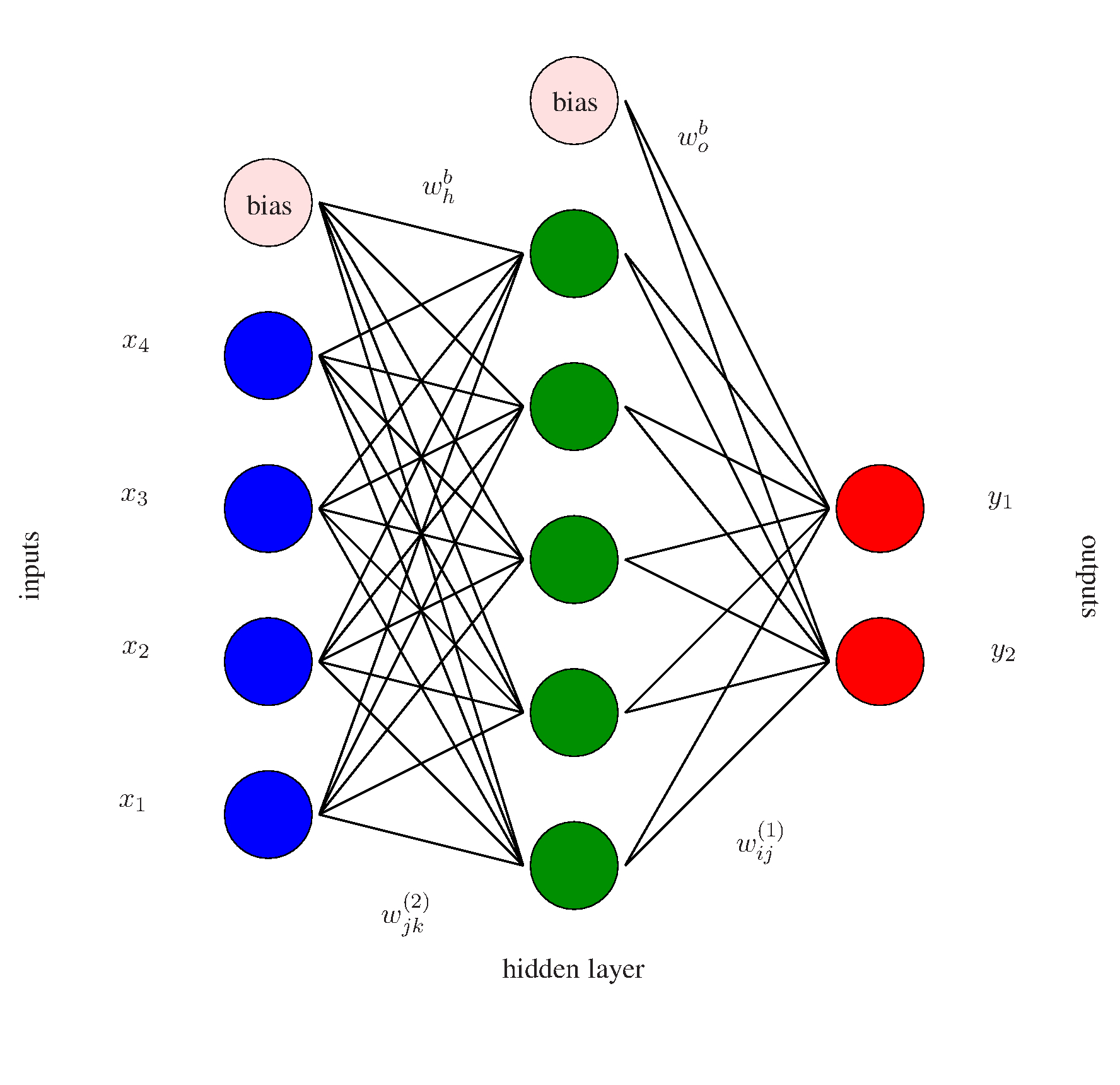
Energy Landscapes for a Machine Learning Prediction of Patient Discharge
|
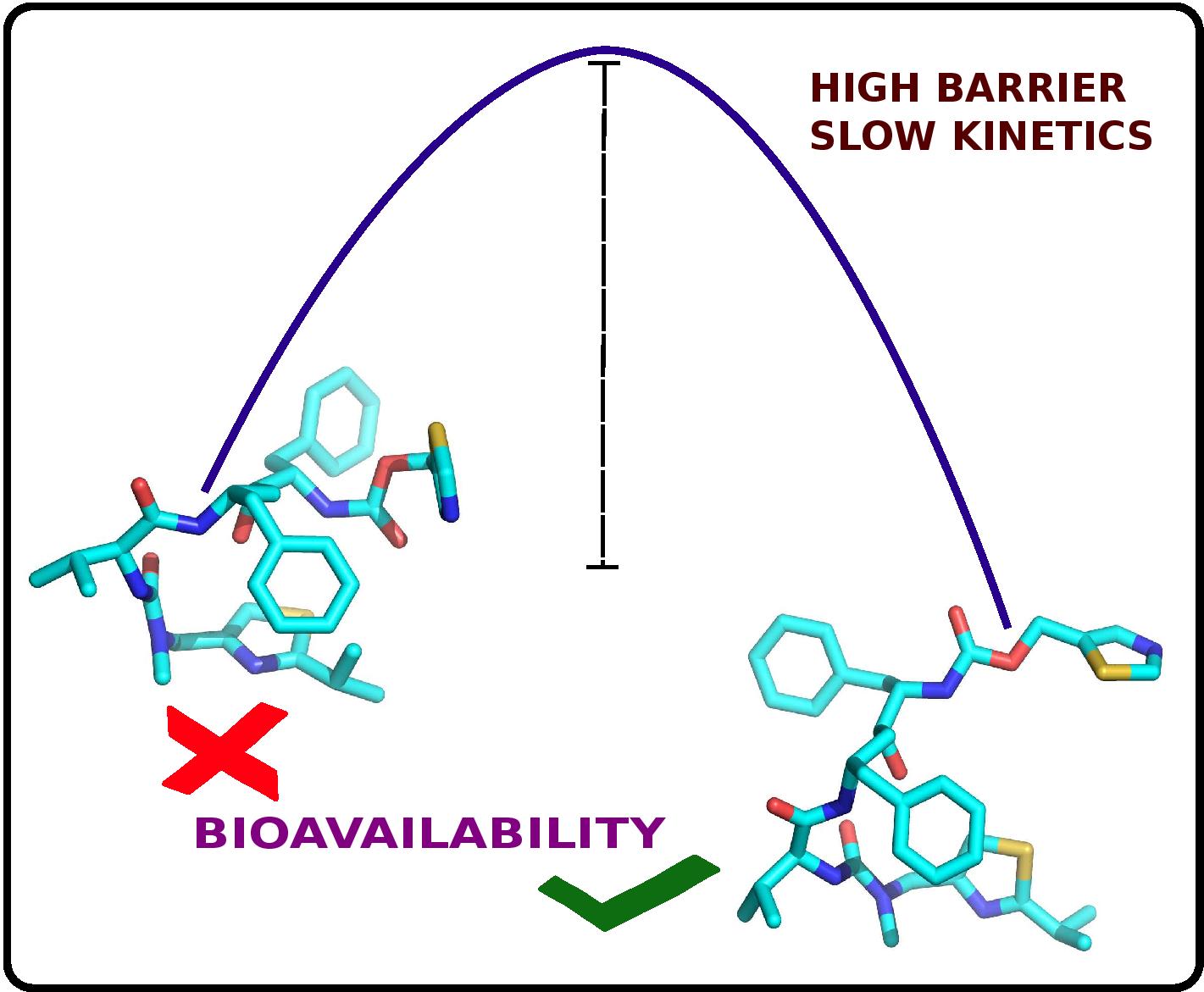
Conformational Energy Landscape of the Ritonavir Molecule |

Structure and Torsional Dynamics of the Water Octamer From THz Laser Spectroscopy Near 215 micrometres-1 |
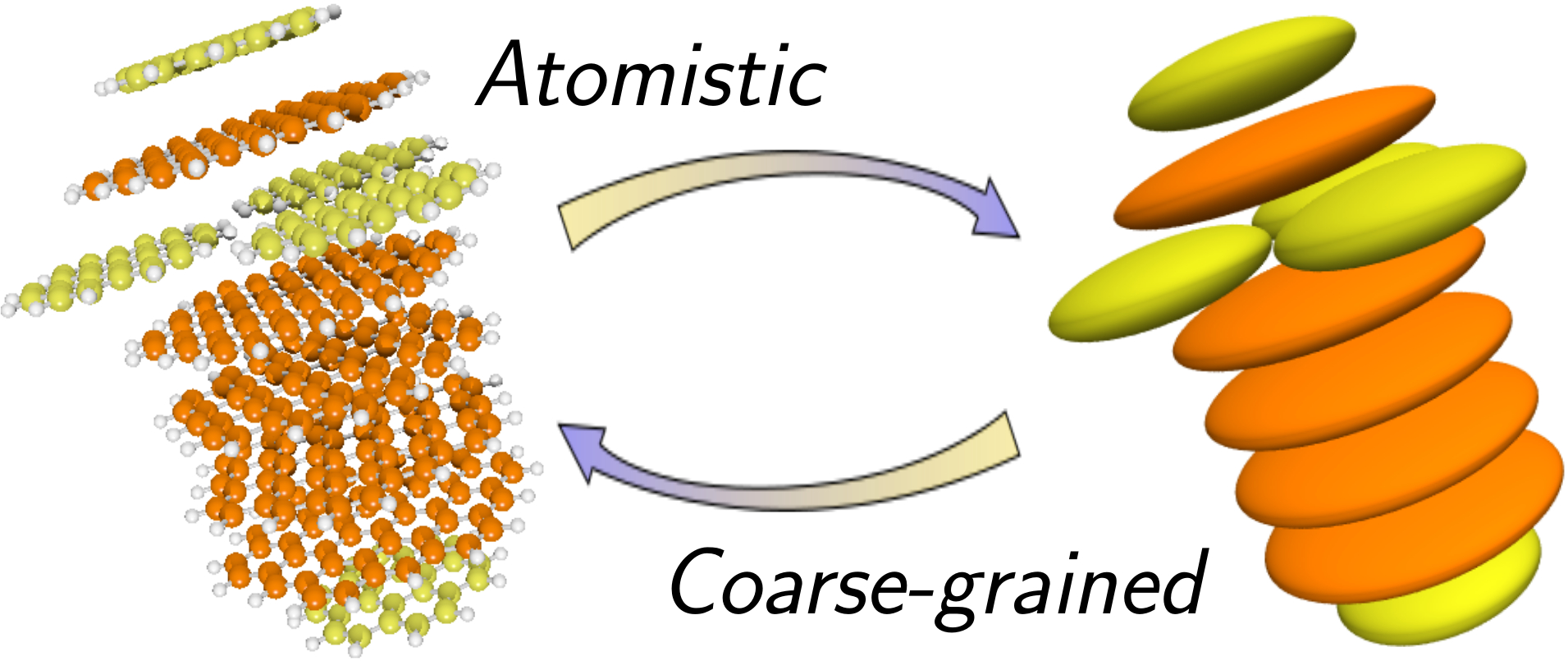
Coarse-Graining the Structure of Polycyclic Aromatic Hydrocarbon Clusters |
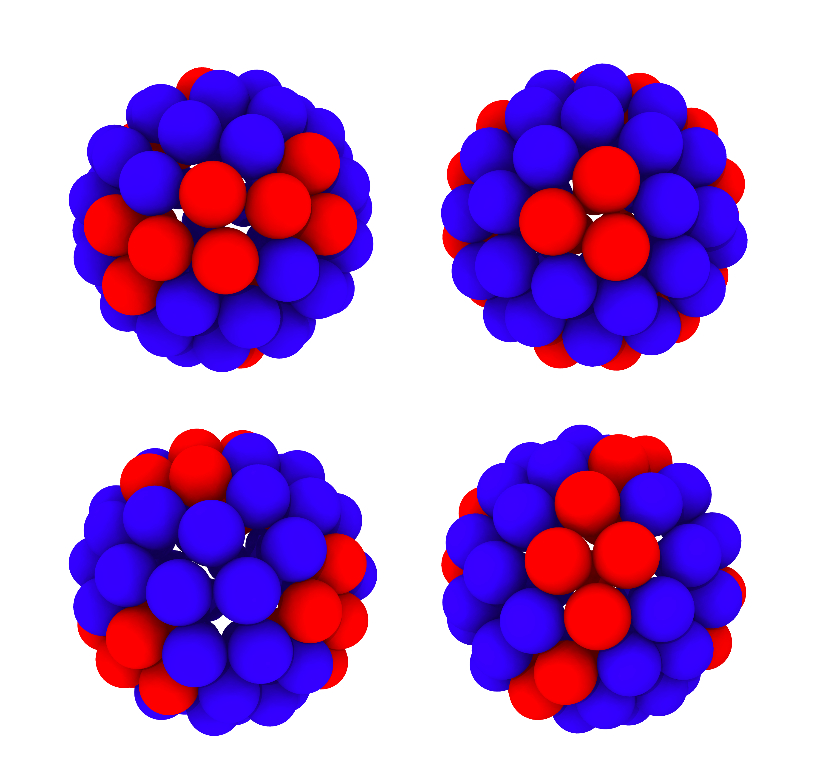
Energetically Favoured Defects in Dense Packings of Particles on Spherical Surfaces |
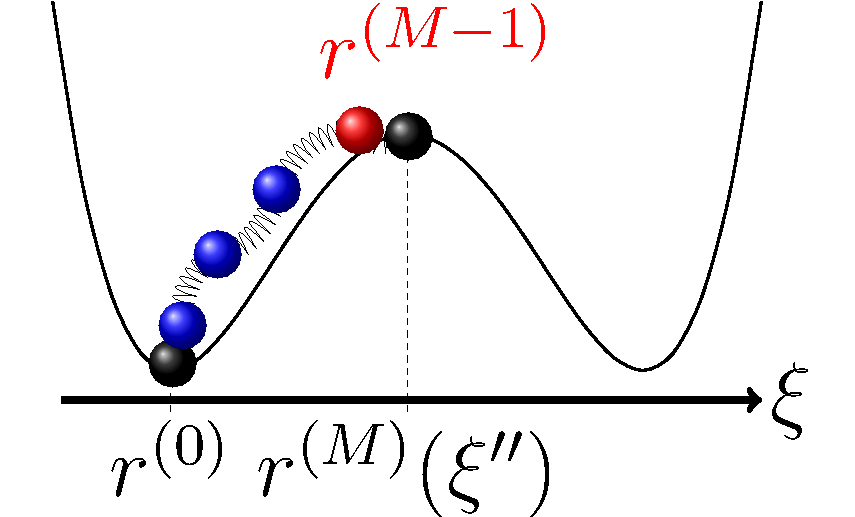
Quantum Tunneling Splittings From Path-Integral Molecular Dynamics |
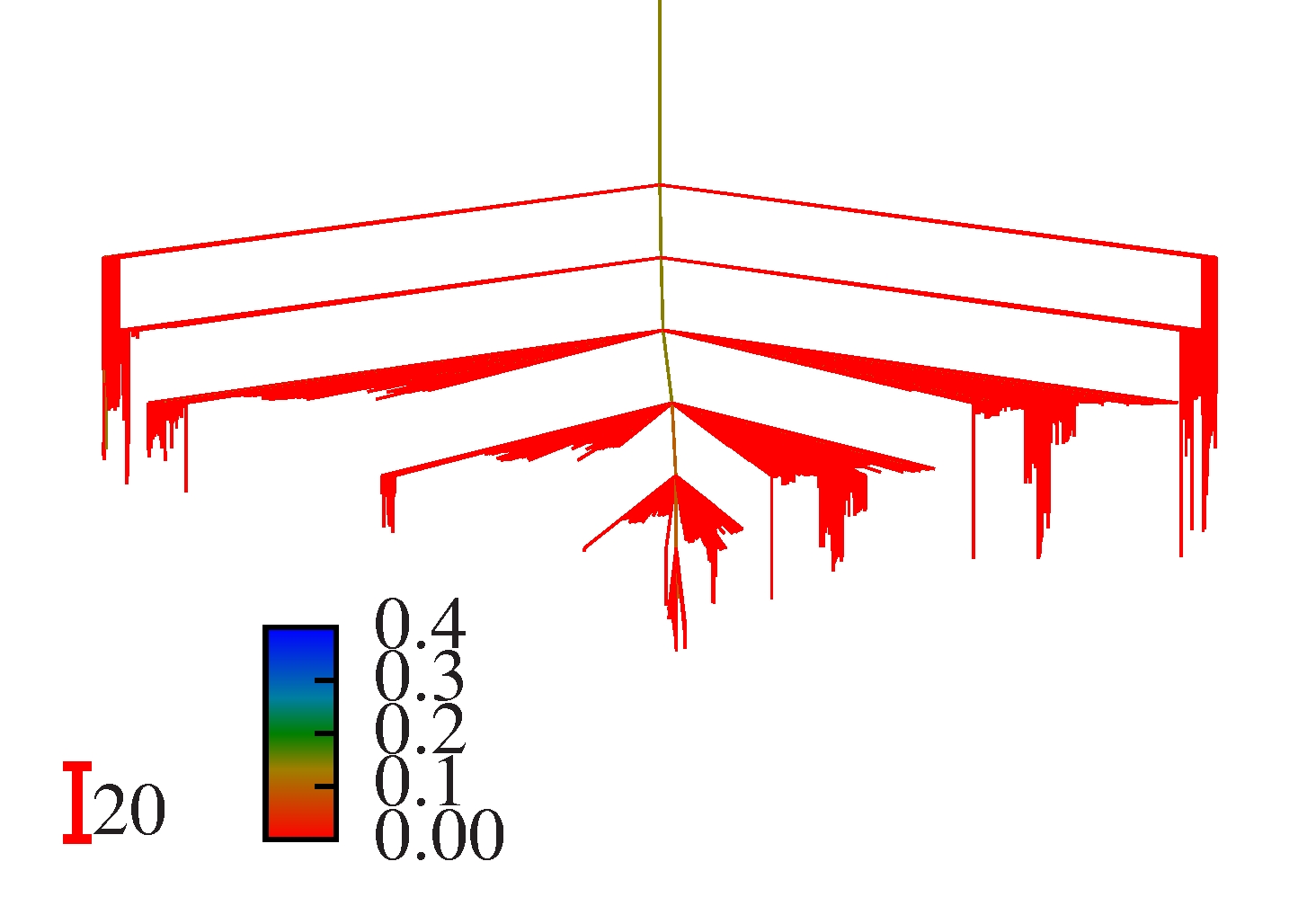
Energy Landscapes for a Machine Learning Application to Series Data |
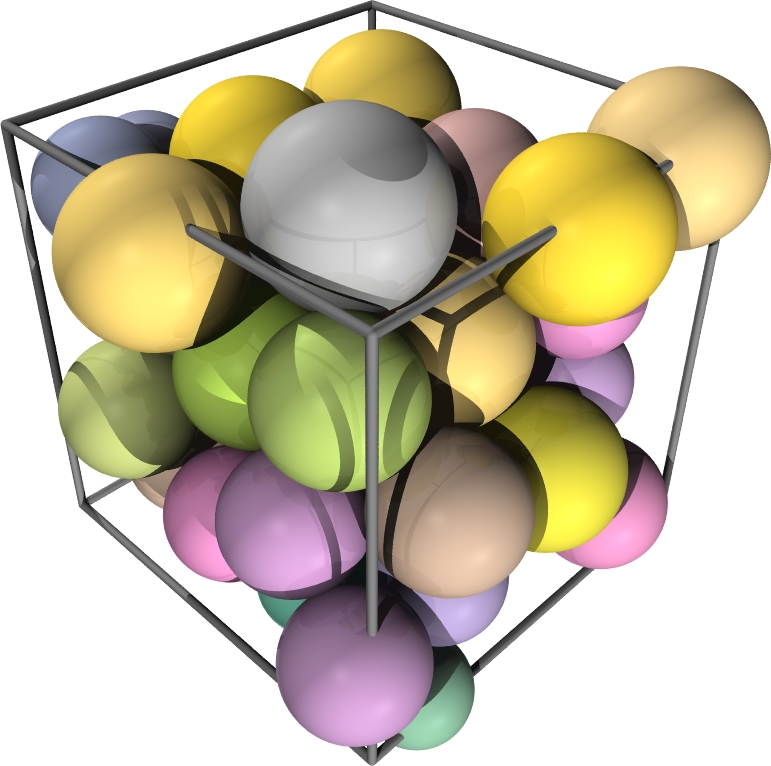
Turning Intractable Counting into Sampling: Computing the Configurational Entropy of Three-Dimensional Jammed Packings Cambridge University Research: How many ways can you arrange 128 tennis balls? Researchers solve an apparently impossible problem Sky News: Tennis Ball Experiment Could Predict Avalanches New Scientist: Number of ways to arrange 128 balls exceeds atoms in universe |
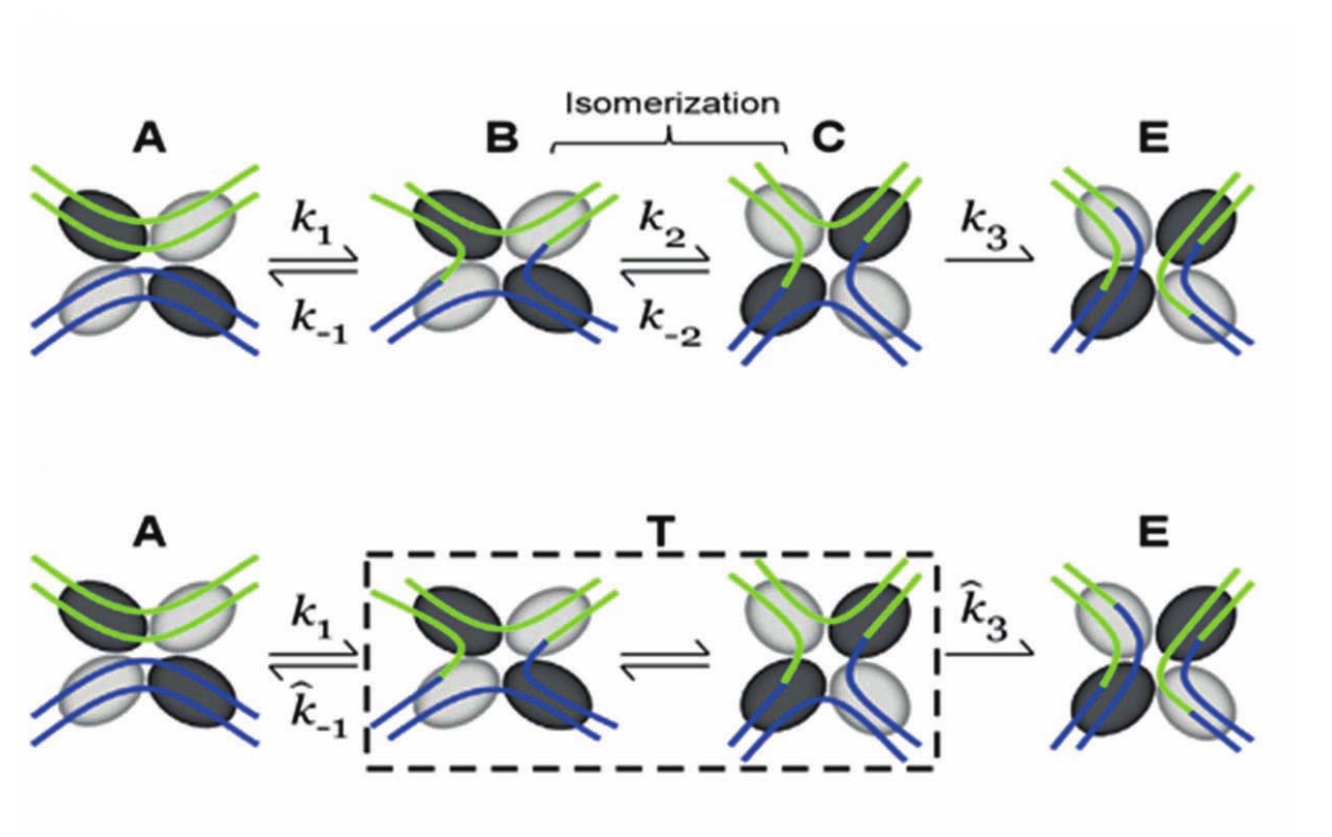
Rate Constants, Timescales, and Free Energy Barriers |
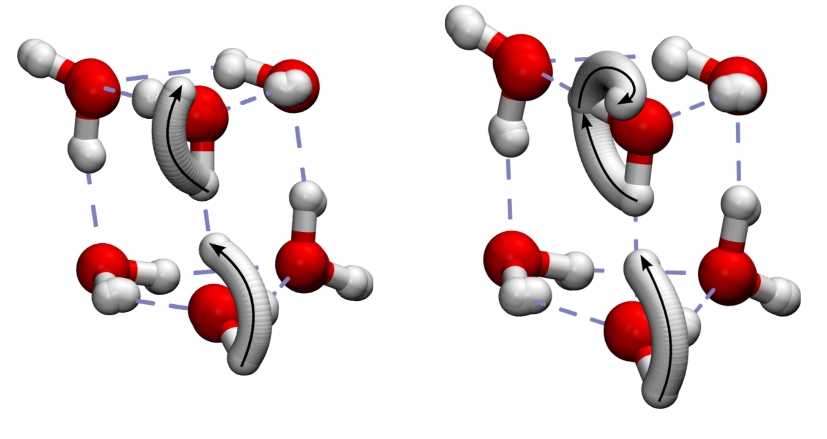
Concerted Hydrogen-Bond Breaking by Quantum Tunnelling in the Water Hexamer Prism D.C. Clary, Science, 351, 1267-1268 (2016). Perspective: Quantum dynamics in the smallest water droplet Science video |

Energy Landscapes and Persistent Minima |
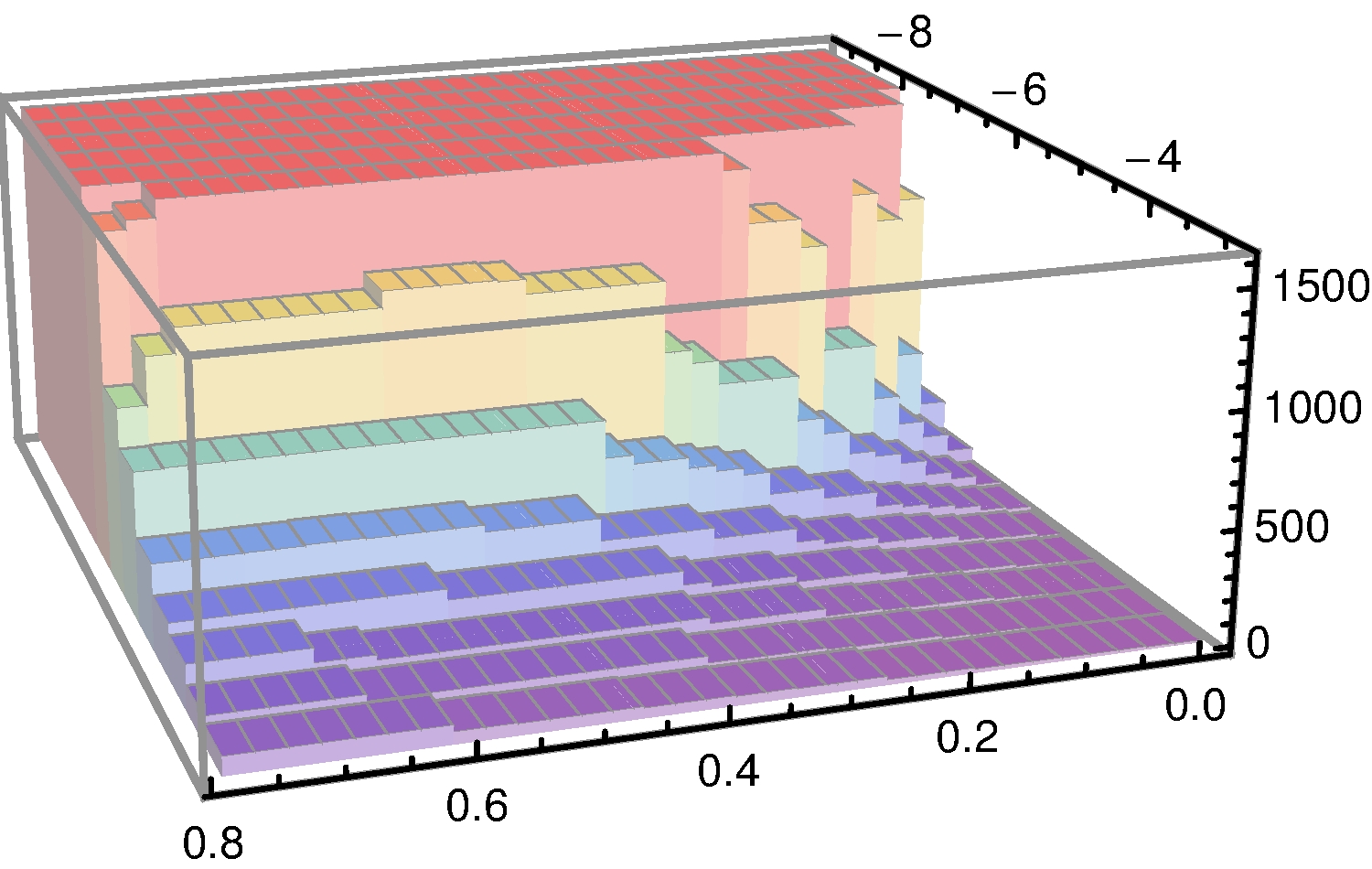
Grand and Semi-Grand Canonical Basin-Hopping |
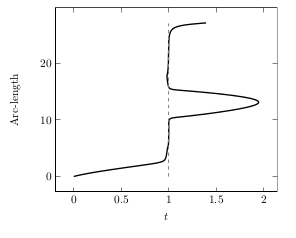
Response to Comment on `Exploring the potential energy landscape of the Thomson problem via Newton homotopies' [J. Chem. Phys. 143, 247101 (2015)], |
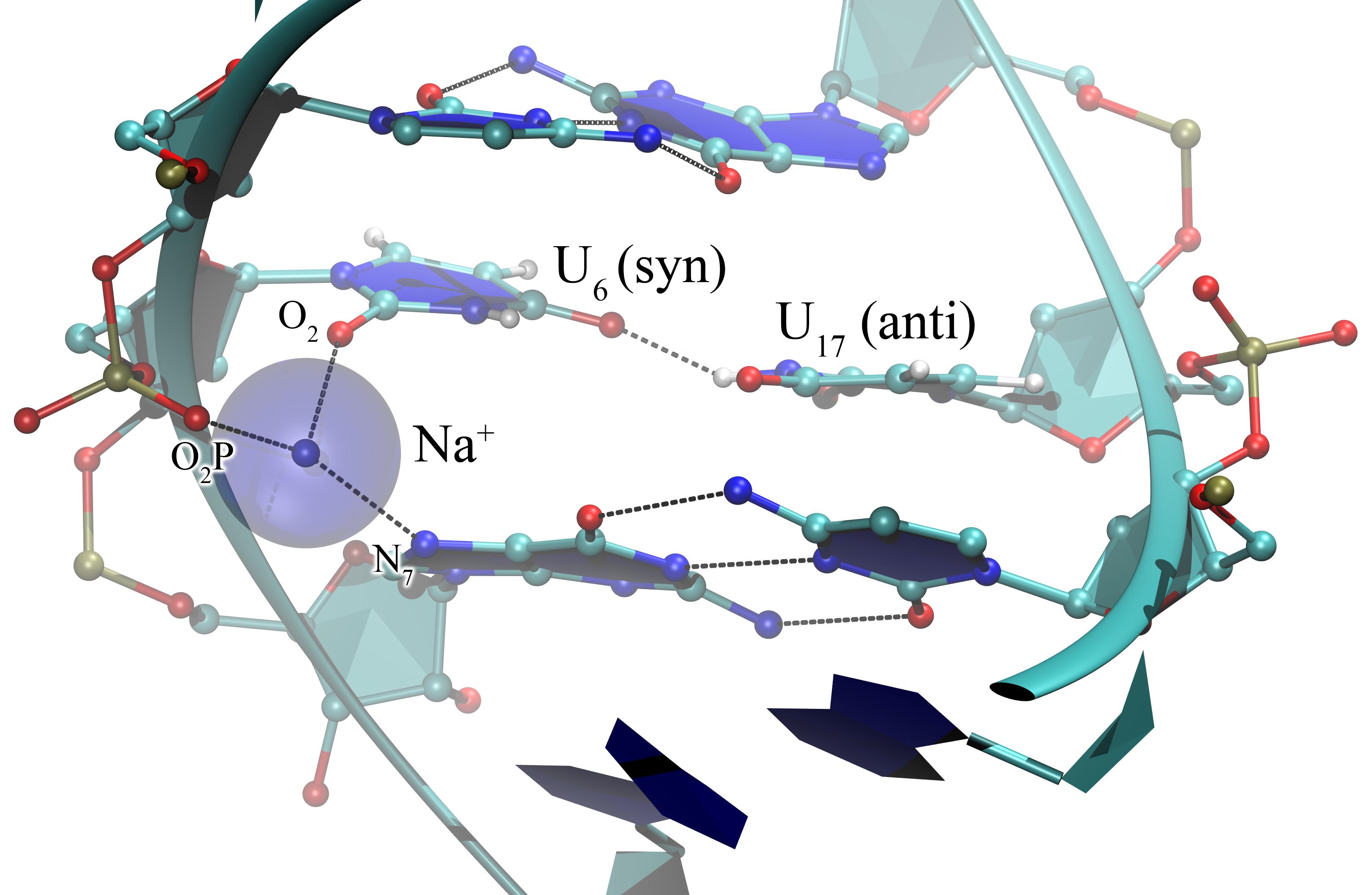
Computational Investigation of RNA CUG repeats responsible for Myotonic Dystrophy 1 |
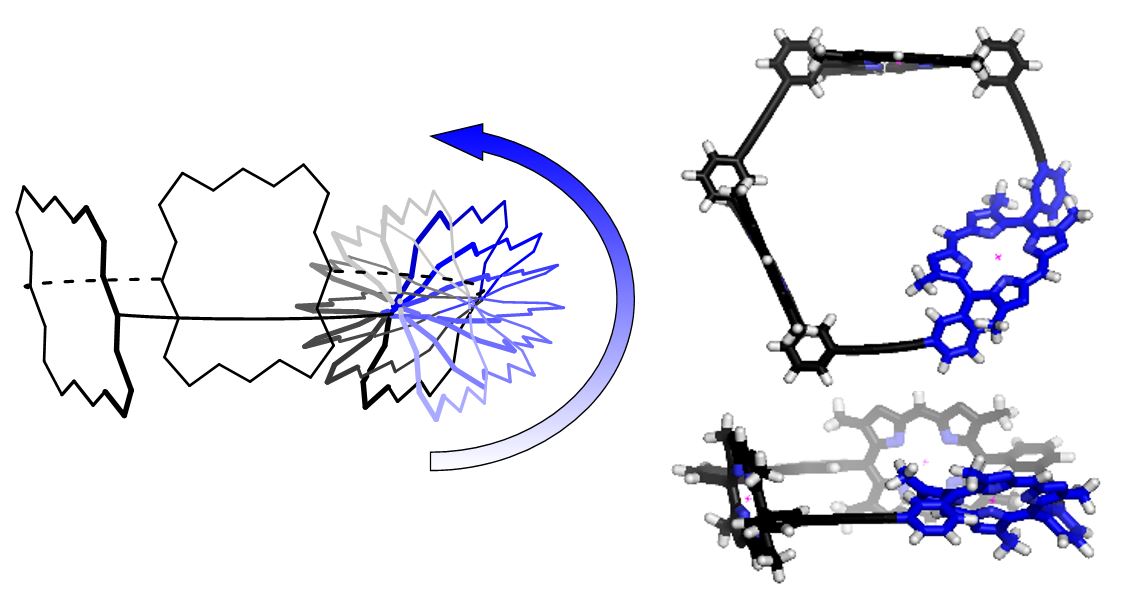
How to make a porphyrin flip: Dynamics of asymmetric porphyrin oligomers |
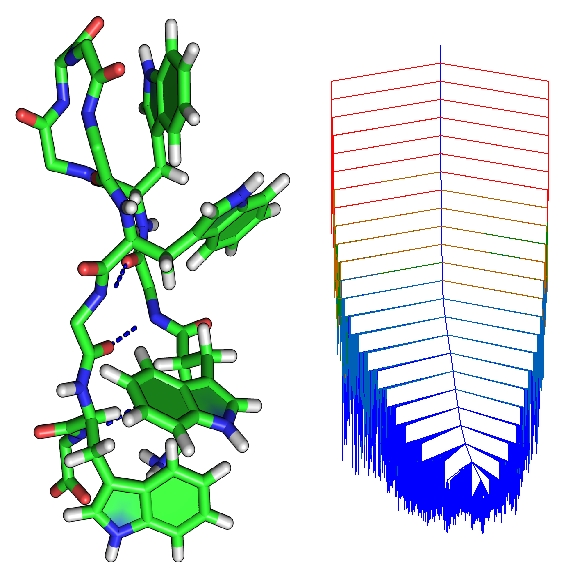
Energy Landscapes of a Hairpin Peptide Including NMR Chemical Shift Restraints |
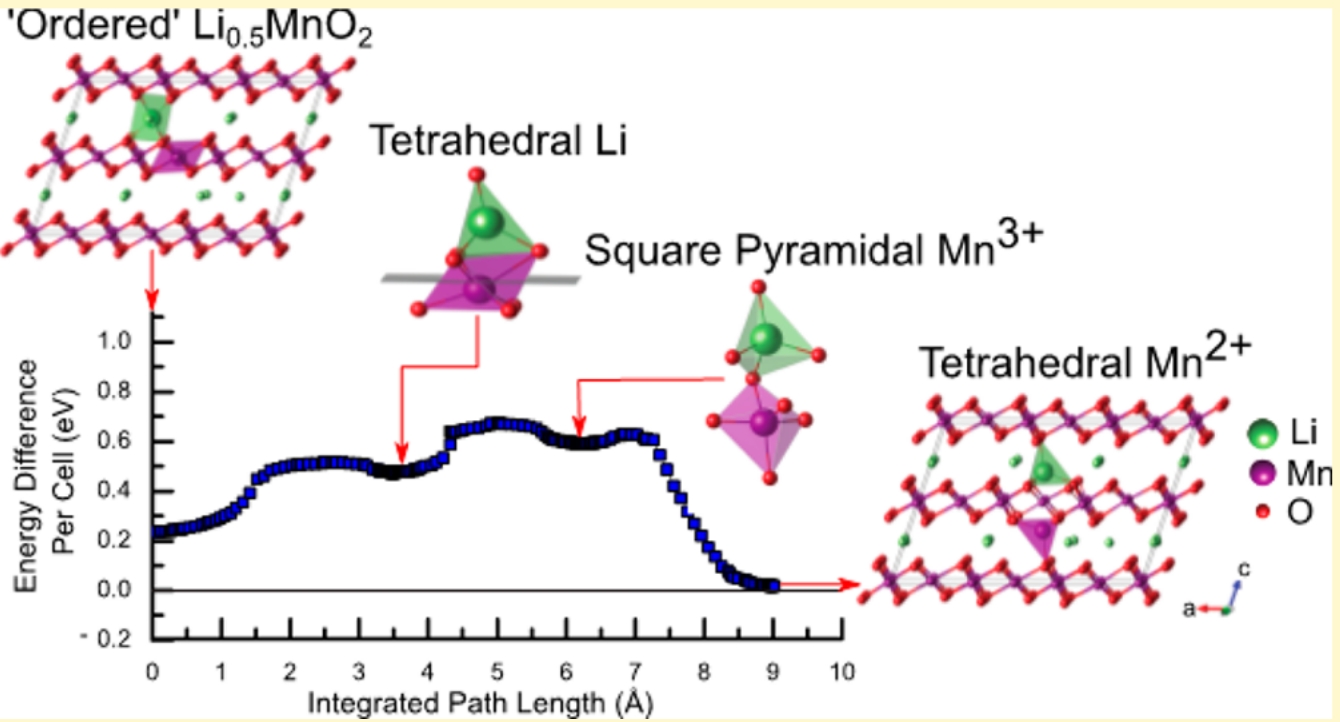
Mapping Structural Changes in Electrode Materials: Application of the Hybrid Eigenvector-Following Density Functional Theory (DFT) Method to Layered Li0.5MnO2 |
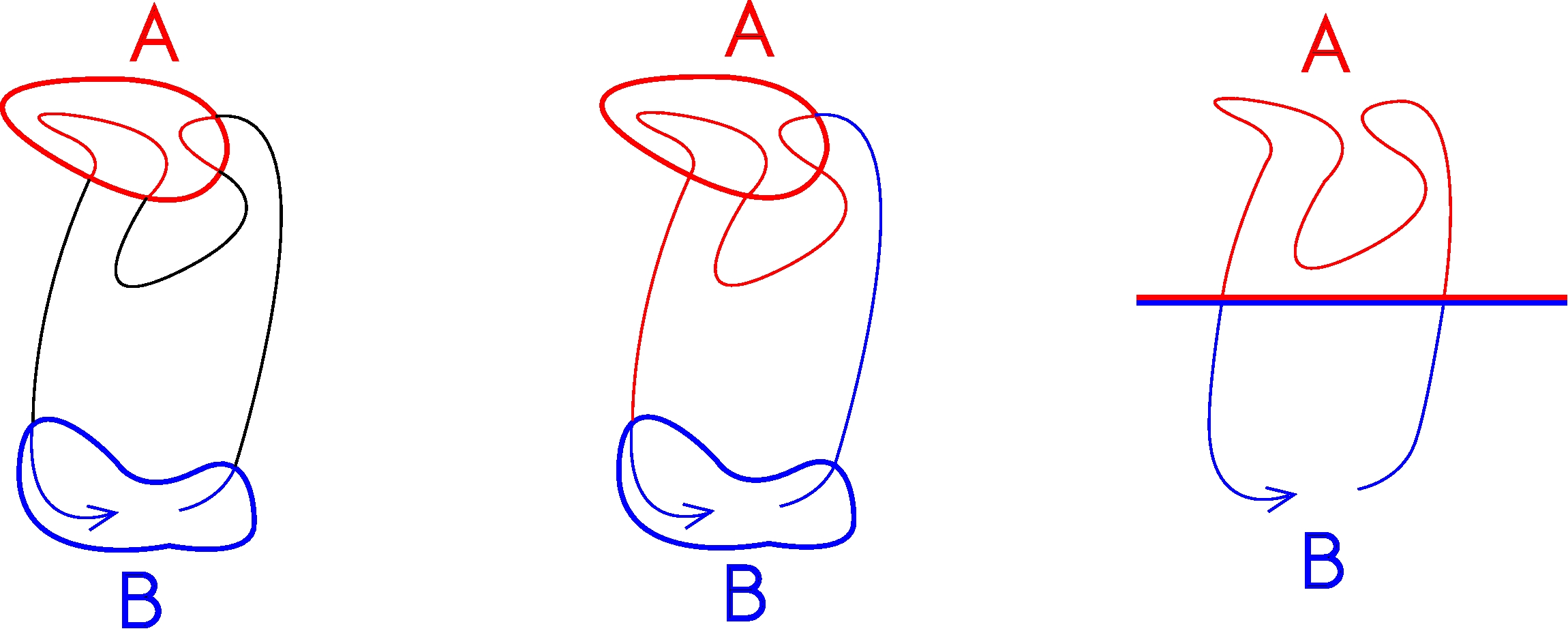
Markov State Modeling and Dynamical Coarse-Graining via Discrete Relaxation Path Sampling |
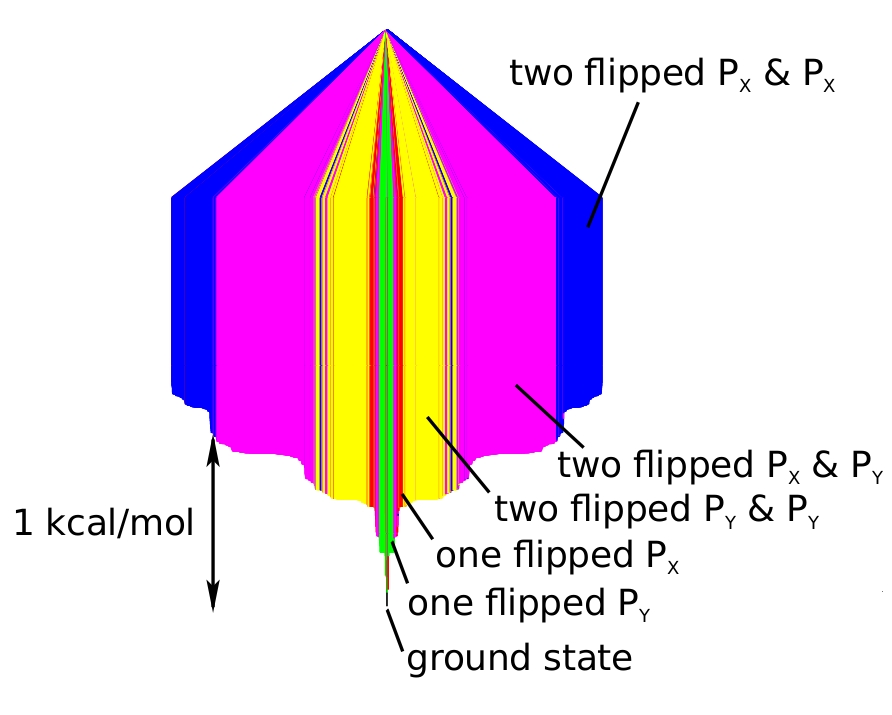
Hydroxyproline Ring Pucker Causes Frustration of Helix Parameters in the Collagen Triple Helix |
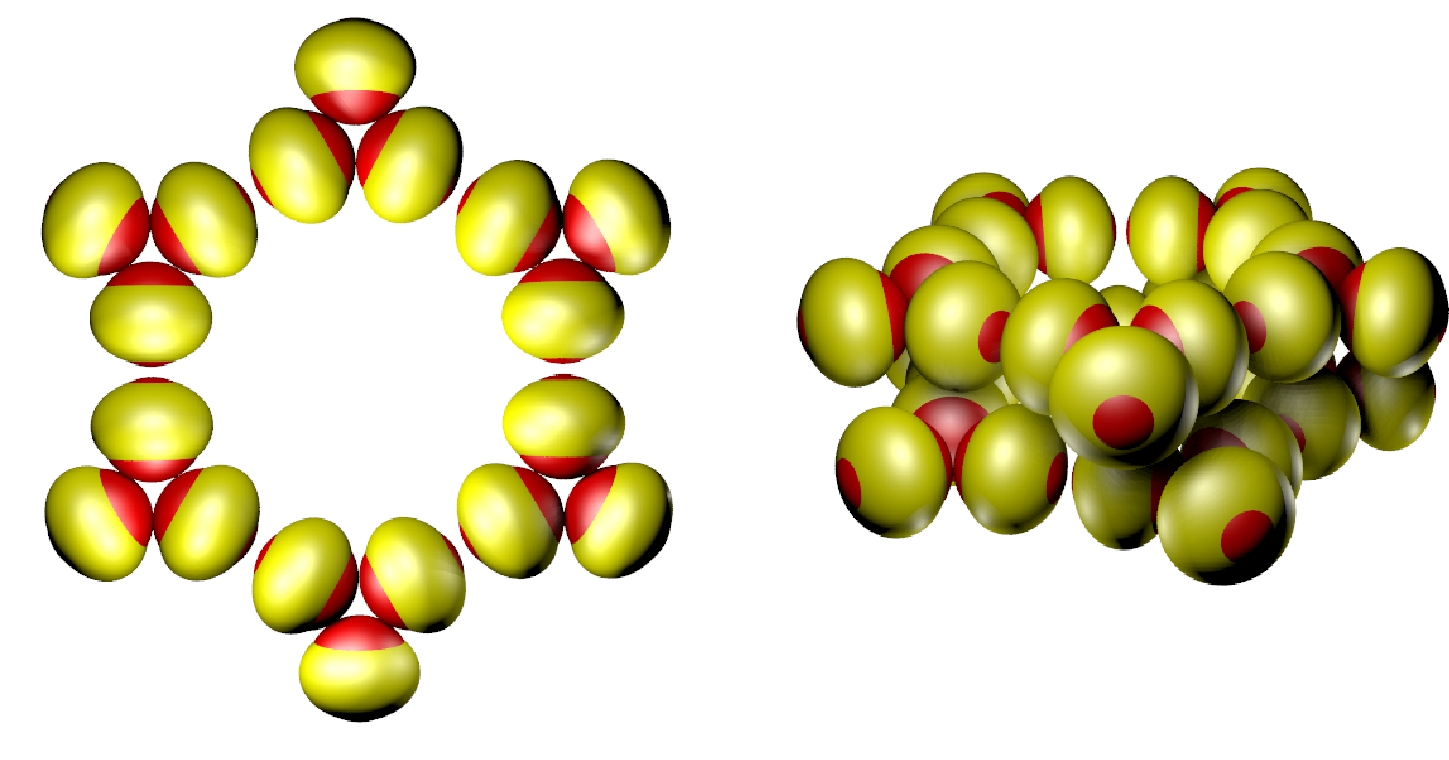
Design of a Kagome lattice from soft anisotropic particles |
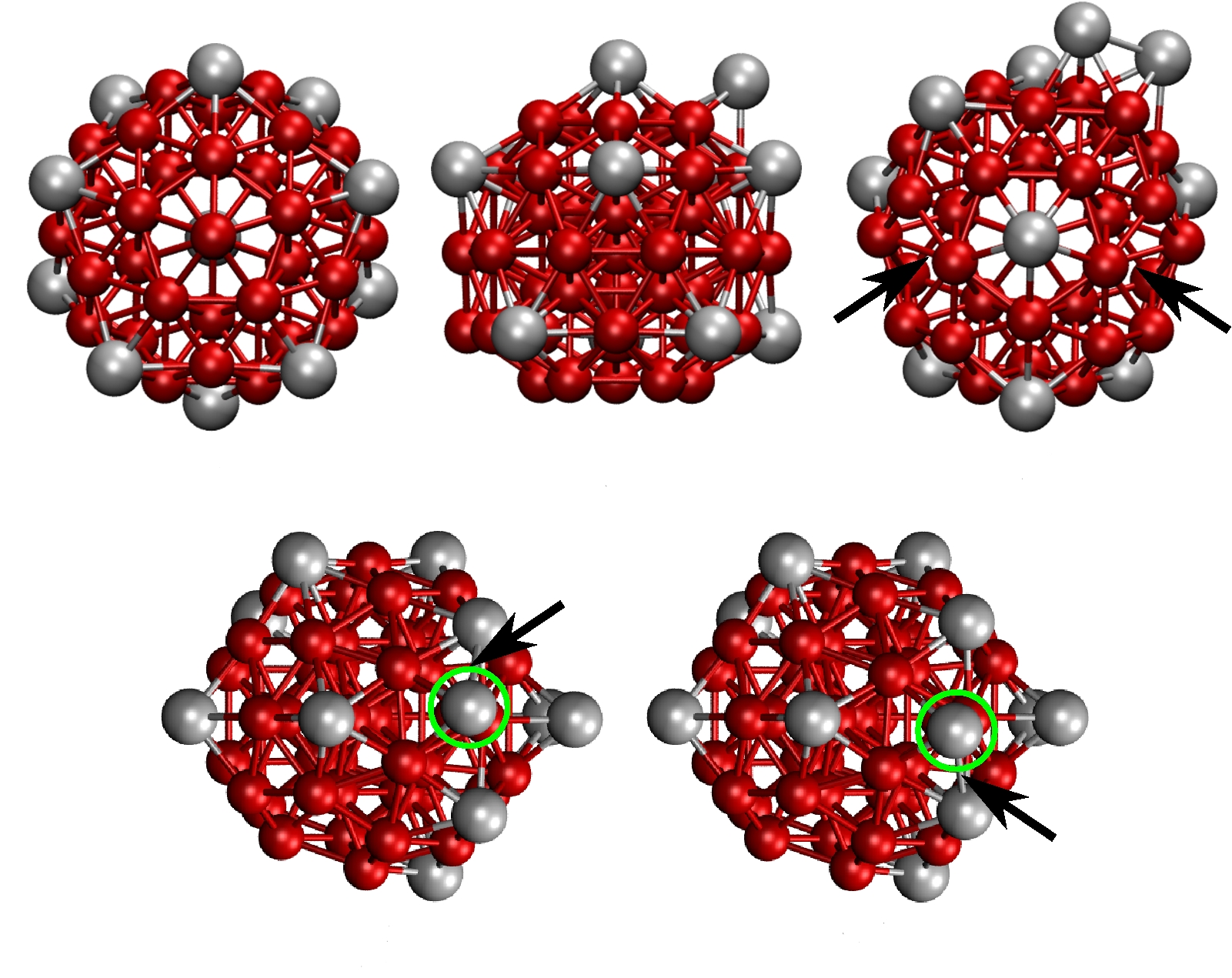
Quasi-combinatorial energy landscapes for nanoalloy structure optimisation |
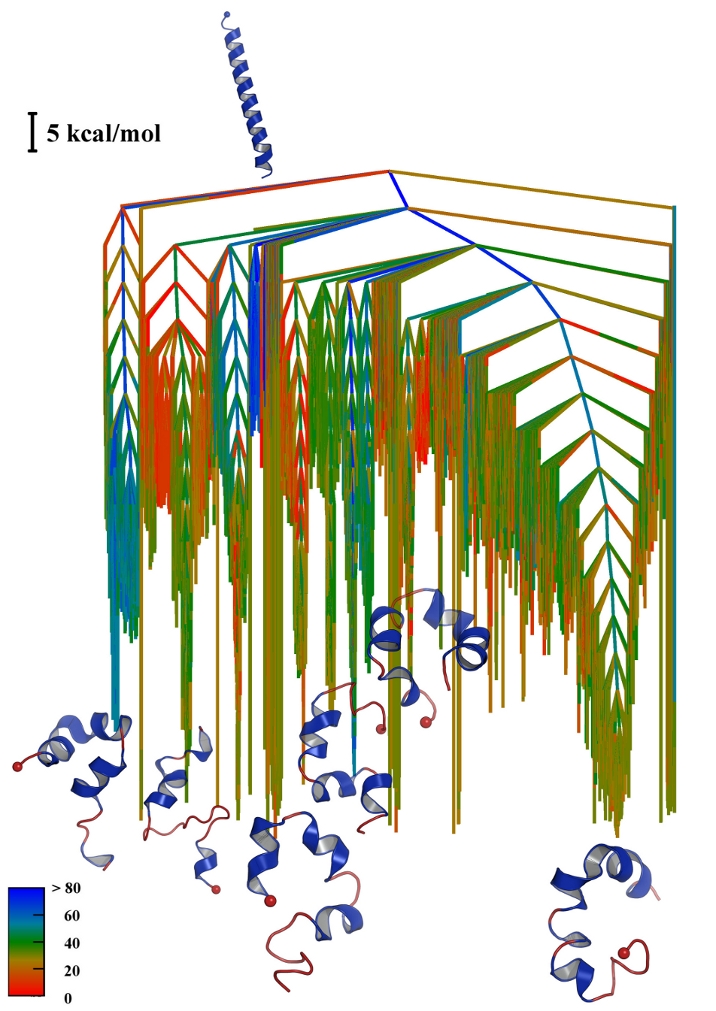
Intrinsically Disordered Energy Landscapes |
Exploring the Potential Energy Landscape of the Thomson Problem via Newton Homotopies |
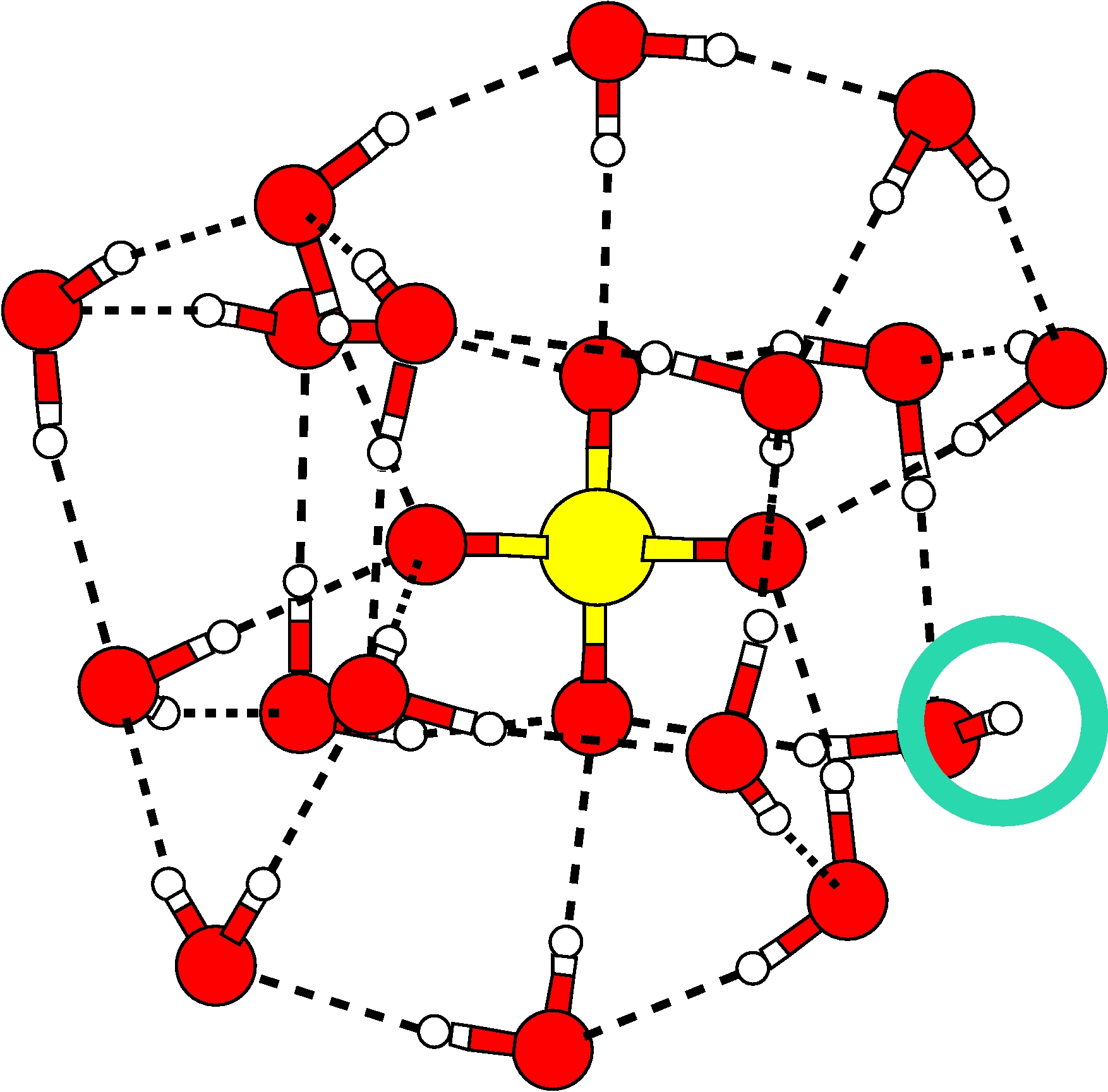
Structures and Energy Landscapes of Hydrated Sulfate Clusters |
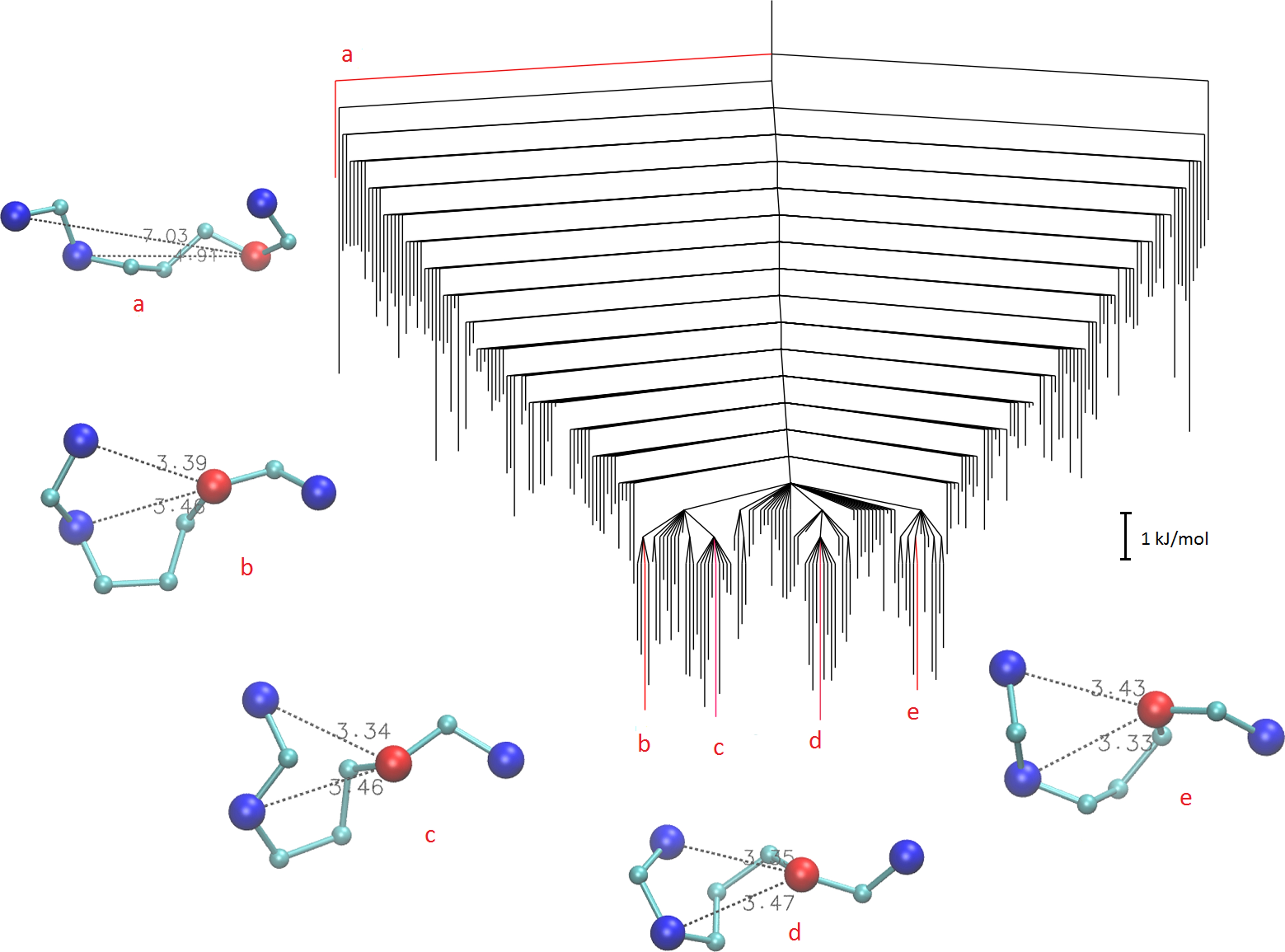
Equilibrium Molecular Thermodynamics from Kirkwood Sampling |
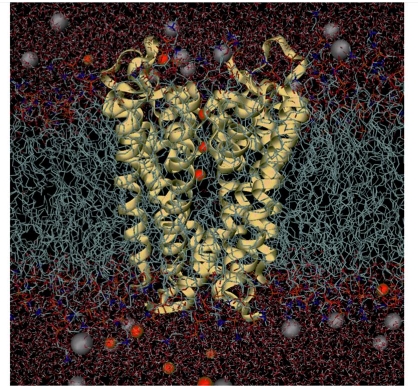
Membrane Protein Structure, Function and Dynamics: A Perspective from Experiments and Theory |
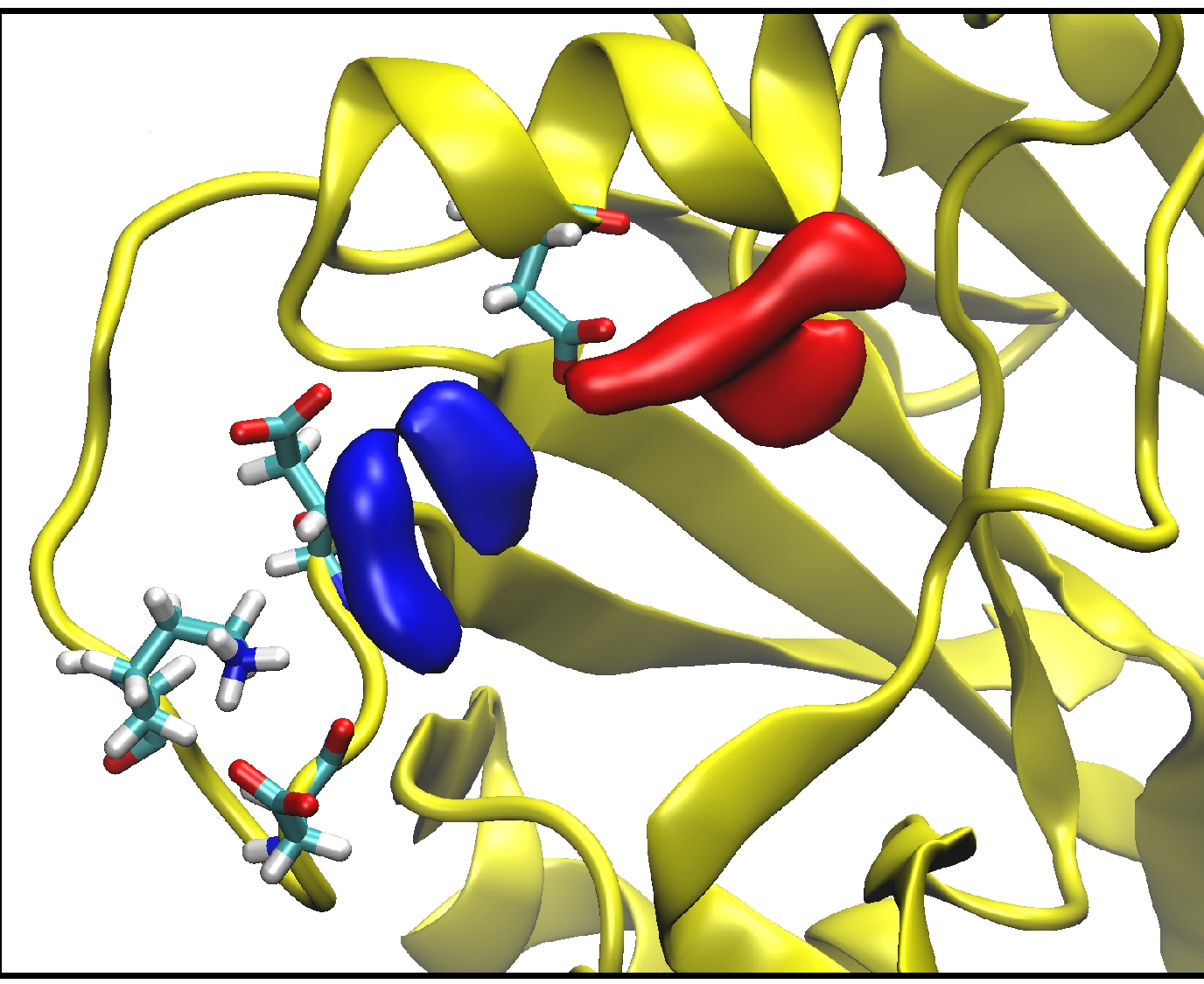
Analysis of the Contrasting Pathogenicities Induced by the D222G Mutation in 1918 and 2009 Pandemic Influenza A Viruses |
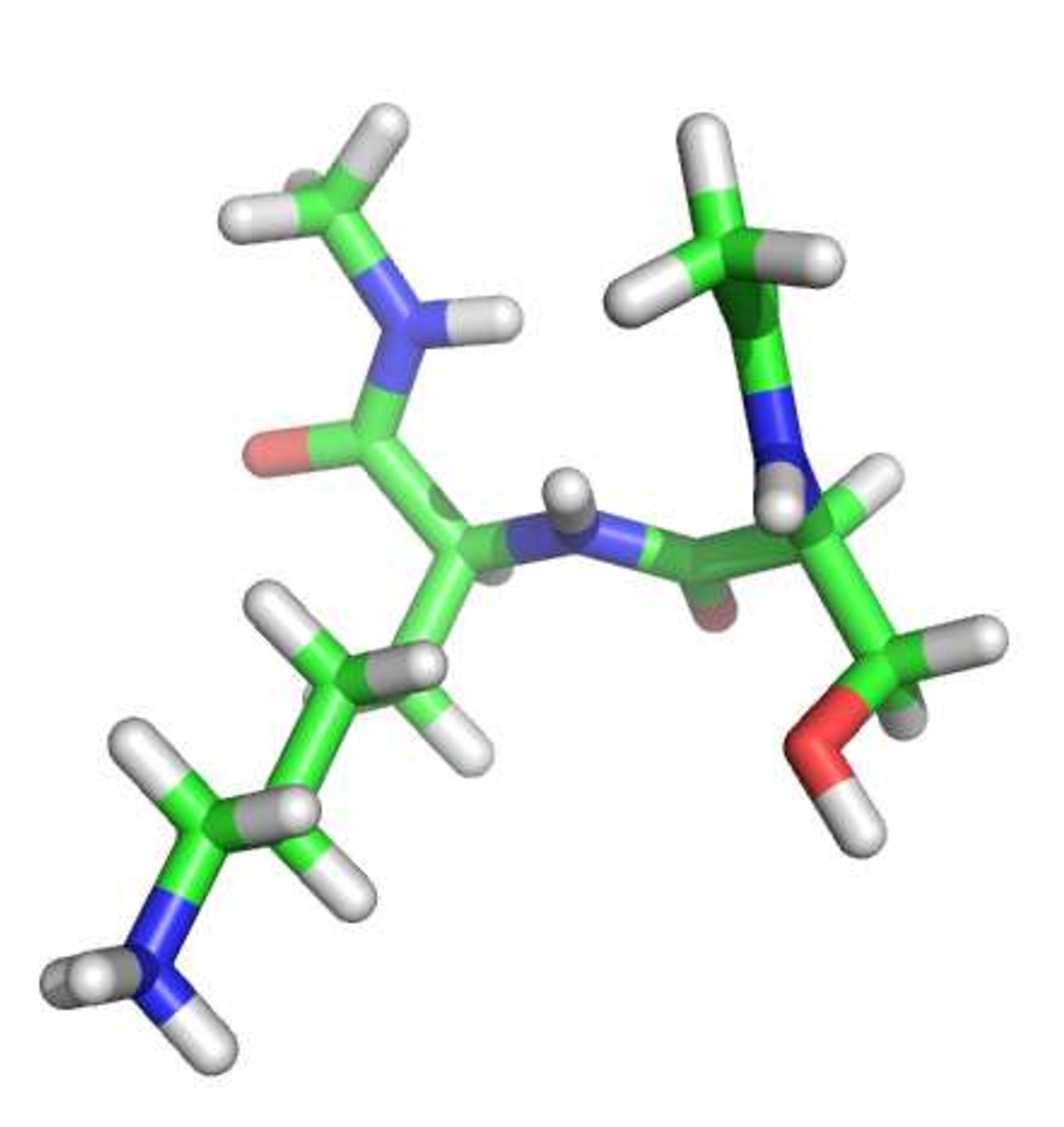
Free Energy Basin-Hopping |

Perspective: Insight Into Reaction Coordinates and Dynamics From the Potential Energy Landscape JCP Podcast audio (mp3) |
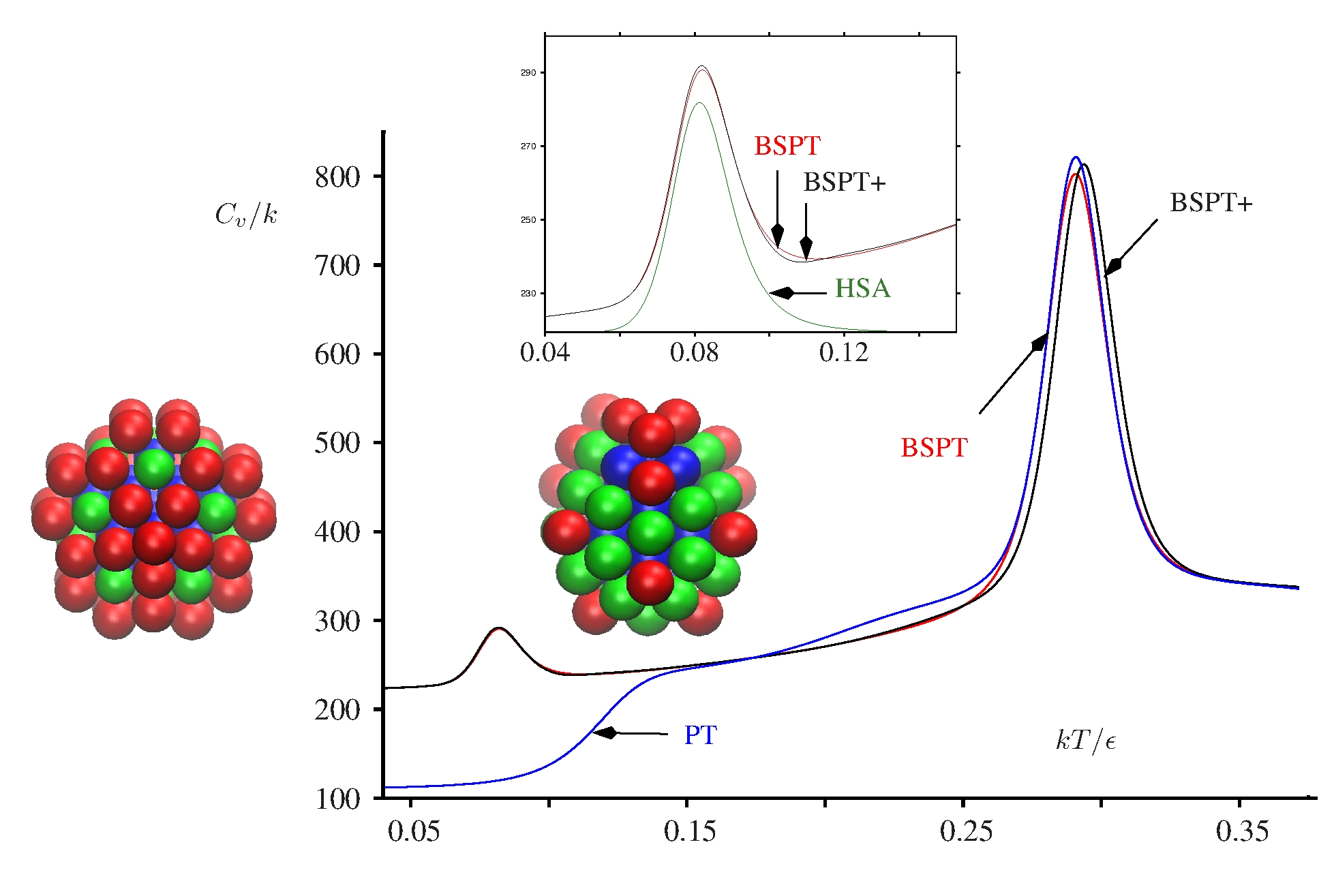
Exploiting the Potential Energy Landscape to Sample Free Energy |
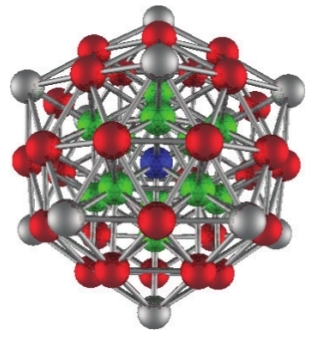
Harmonic Superposition Method for Grand-Canonical Ensembles |
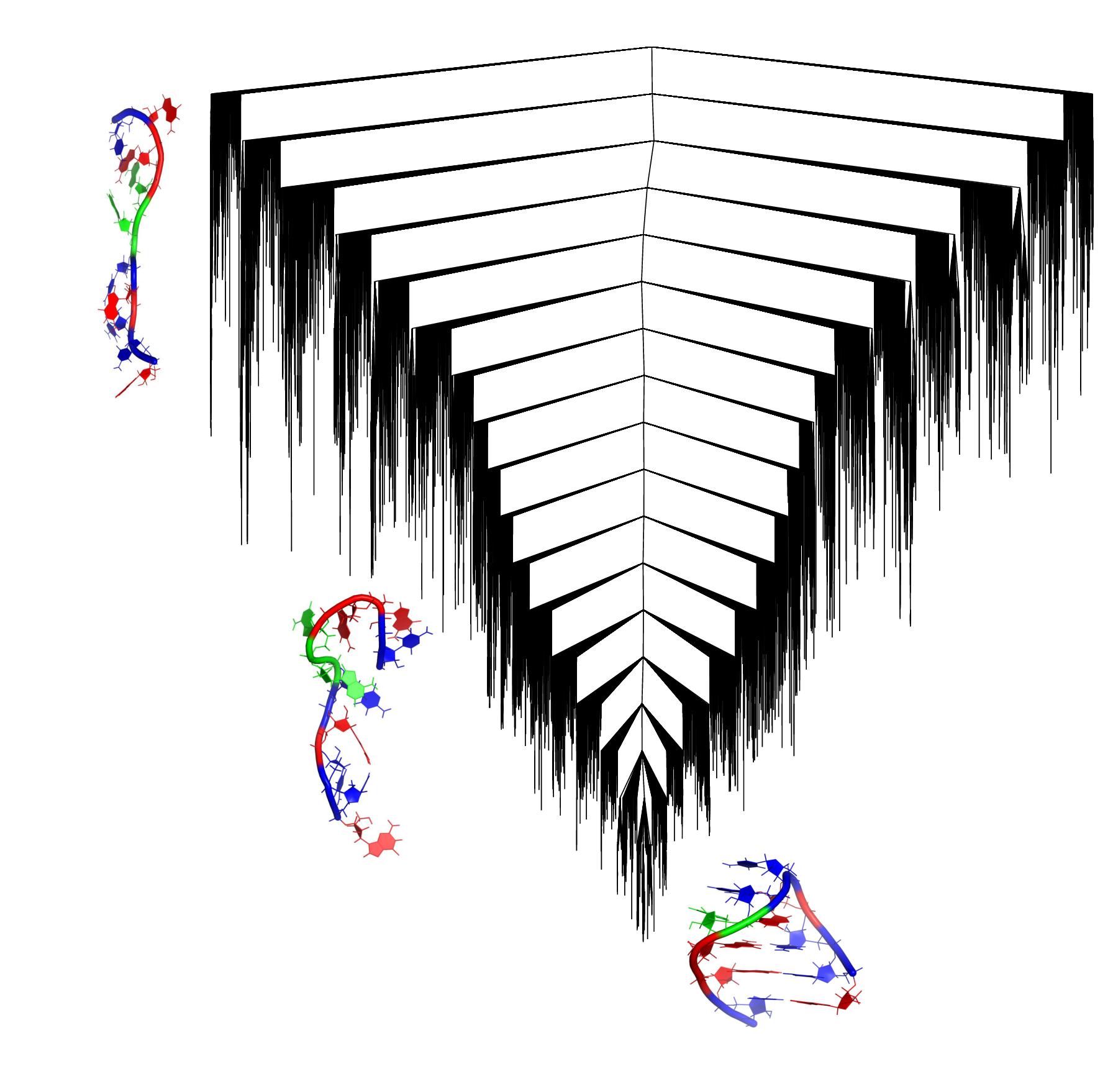
Energy Landscapes, Folding Mechanisms and Kinetics of RNA Tetraloop Hairpins |
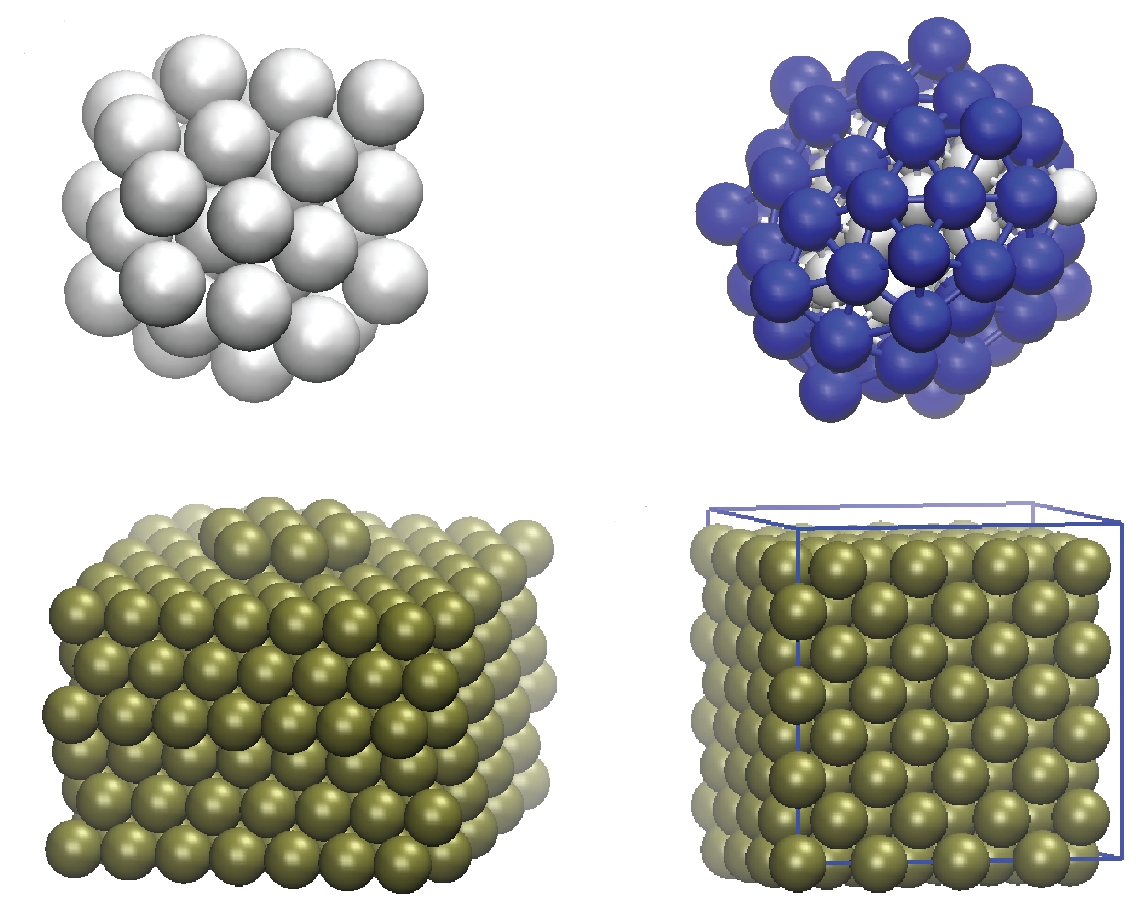
Benchmarks for Characterisation of Minima, Transition States and Pathways in Atomic, Molecular, and Condensed Matter Systems |
Recent Publications Archive
Complete Publications List
![[Back]](back.gif) Cambridge chemistry department homepage.
Cambridge chemistry department homepage.